
The K-Culture Craze and Vietnam's Rise: Shifts in Travel Trends and Su…
페이지 정보
작성자 playbbs 작성일 26-06-10 09:50 조회 305 댓글 0본문
The K-Culture Craze and Vietnam's Rise: A Paradigm Shift in Travel Trends and Survival Strategies for the Aviation Market
Date: June 10, 2026 | Column by IT/Media Current Affairs Critic
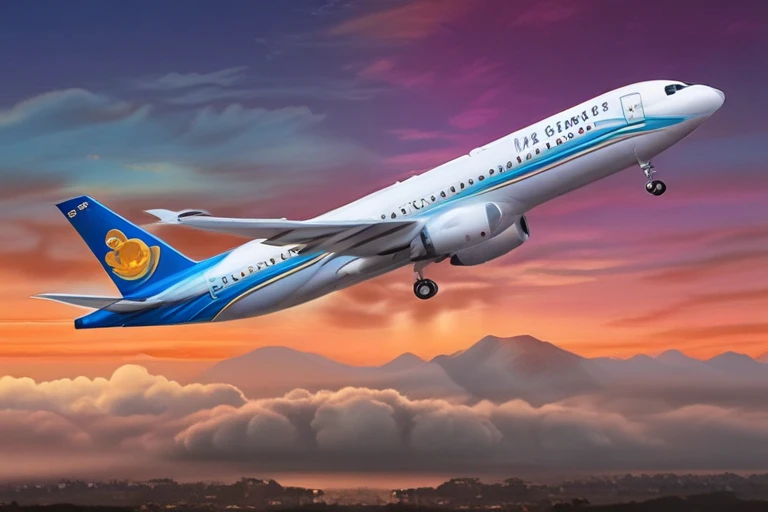
Incheon International Airport has recently been bustling with an energy that makes it feel like a crossroads of global culture. It has become a daily occurrence for immigration authorities to be kept on their toes as fans from across borders flood in whenever concerts by global idols like BTS are held. As K-Culture establishes itself as a powerful tourism magnet, the aviation and travel industries are rolling out differentiated strategies that go beyond simple transportation to design unique customer experiences. In particular, Vietnam—one of the most beloved travel destinations for Koreans—is redrawing the map of the travel market by leveraging changing regulations, aggressive marketing, and human networks. This column provides an in-depth analysis of how cultural explosive power is driving practical changes in the tourism industry, and the survival equations that airlines and travel agencies are using to respond.
The surge in tourists brought about by major events demands a paradigm shift in immigration administration, going beyond a simple increase in demand for air tickets. As seen in the case of BTS concerts, when a large influx of foreigners is expected, Incheon Airport enters an emergency duty system, organizing special task forces and mobilizing personnel from non-screening departments. This is an indicator that K-Culture is more than just entertainment; it is a tangible engine for the national economy. In fact, the over 20% year-on-year increase in the number of foreign arrivals in the first half of this year suggests that K-content is a powerful motivator for foreigners visiting Korea. However, this growth has brought challenges such as airport congestion and a shortage of screening personnel, making the expansion of infrastructure for rapid and safe entry procedures a pressing national task.
Amid these changes, the aviation industry is staking its life on capturing customers through aggressive promotions that combine price competitiveness with value-added services. Airlines like Air Busan are launching massive discount campaigns for Southeast and Northeast Asian routes targeting the summer vacation season, employing strategies to lower perceived costs for customers through bundle service discounts and additional benefits based on payment methods. This is part of a sophisticated marketing effort that goes beyond simply selling seats, encouraging travelers to feel the excitement of their trip from the moment they purchase their tickets and to engage in additional spending. Furthermore, by providing reasonable options to consumers through a total fare system that transparently includes fuel surcharges and airport taxes, their efforts to secure market share in the fiercely competitive low-cost carrier (LCC) market are noteworthy.
Vietnam is currently accelerating its penetration of the Korean market, dreaming of leaping into a complex tourism destination that combines aviation, resorts, and entertainment. Local conglomerates like Sun Group are directly participating in major exhibitions such as the Seoul International Travel Fair to present their vision for key hubs like Phu Quoc and to expand touchpoints by offering direct airfare discounts to Korean travelers. In particular, their strategy of emphasizing stay-based tourism over simple relaxation shows that travel to Vietnam is evolving from the "package tour" focus of the past to "experience-oriented active travel." The 20% discount promotions provided during flight bookings and on-site prize events are stimulating the travel sentiment of Korean tourists and acting as powerful incentives that lead to actual booking conversions.
However, institutional changes to enhance travel convenience have also become important factors that travelers must be aware of. The "Pre-Arrival Information (PAI) system" introduced by the Vietnamese government at major airports such as Phu Quoc and Ho Chi Minh City demonstrates Vietnam's commitment to building a digital-based smart airport. Travelers must now enter information online and receive a QR code before boarding, and with the addition of health declaration procedures, greater diligence is required during the travel preparation process. While these changes aim to improve the overall travel experience by reducing waiting times at airport immigration, they could become a new barrier to entry for older travelers who are not accustomed to digital environments. Therefore, the role of travel agencies in providing professional guidance and information is becoming more important than ever.
Even in a rapidly changing digital environment, the value of "boots-on-the-ground" analog sales remains valid, serving as a solid pillar for the travel industry. The way Vietnam-specialized land operators like Shinsegae Tour have survived for nearly 30 years by maintaining strong networks with local travel agencies suggests that interpersonal relationships remain crucial even in the digitized air-tel market. Furthermore, the case of Parata Airlines collaborating with Hana Tour and Chamvit Group to target MICE and leisure markets well illustrates the synergy created when air transport, travel product planning, and local infrastructure work in a trinity. The development of customized products targeting niche markets, such as corporate incentive groups or premium golf tourism, proves that the Vietnam travel market is moving beyond simple price competition and advancing into a high-value-added industry.
■ Conclusion and Outlook
In conclusion, the current tourism market is being reshaped amidst the harmony of the massive wave of K-Culture, the introduction of digital technology, and traditional sales methods. The explosion in tourism demand, symbolized by the "BTS effect," is demanding better infrastructure from the aviation industry and the government, while major destinations like Vietnam are striving to capture the hearts of Korean travelers through institutional efficiency and aggressive marketing. An era has arrived where travelers must prepare more smartly, and travel agencies must provide deeper experiences. The travel ecosystem, combining technology, content, and human trust, will continue to grow more robust, and only those companies and individuals who quickly read these changes will be able to gain an edge in the global tourism competition.
* This post is an analytical column automatically regenerated in the style of a current affairs critic by analyzing real-time Google Trends popular search terms and related major articles.
댓글목록 0
등록된 댓글이 없습니다.