
Burning Earth, a warning message from the climate crisis in the summer…
페이지 정보

본문
Burning Earth, a warning message from the climate crisis in the summer of 2026
Written on: June 11, 2026 | Column by current affairs critic specializing in IT/media
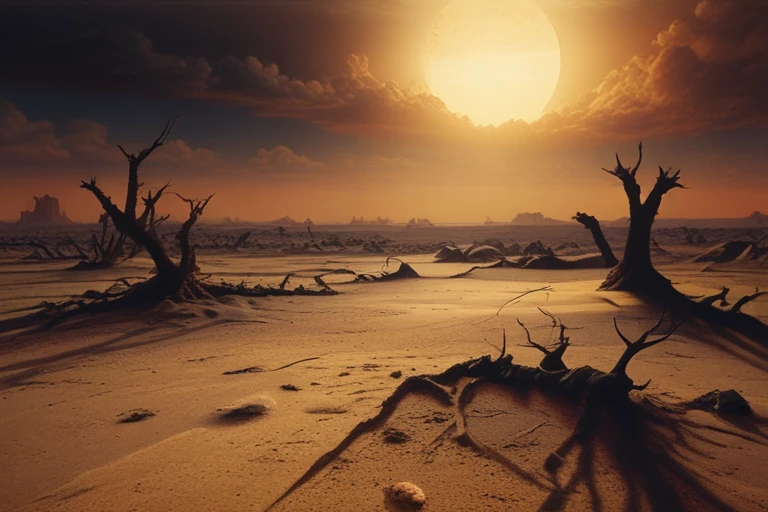
The sunlight shining outside the window may seem peaceful, but a dangerous drama is already unfolding across the globe, crossing a critical point in climate. In mid-June 2026, humanity faces a huge wave of record-breaking heat waves and extreme weather events. The wrath of nature, which is too hot and harsh to be dismissed as simply a change of seasons, is covering the entire world. Amidst the conflict between our daily lives cooling down and our planet heating up, it is time to take a hard look at what kind of climate era we are currently living in.
The Indian subcontinent is currently suffering from an extreme heat wave that will take your breath away. Numerous pilgrims visiting the Mata Vaishno Devi shrine in Katra are fighting desperately in long lines to maintain their faith despite the heat wave. As crowds flock together with the summer vacation season, the murderous heat exceeding dozens of degrees Celsius has become a serious threat to the health of pilgrims. This goes beyond simply rising temperatures in certain regions and clearly shows the painful reality of humanity having to maintain daily life even in extreme environments. This passage suggests that climate change has entered a stage in which even human religious practices and freedom of movement are restricted.
The North American continent is also not free from the fear of climate disaster. A heat advisory has been issued in the San Francisco Bay Area due to unusually high temperatures reaching 16 degrees above normal, increasing anxiety that this could soon lead to large-scale forest fires. Meteorological authorities are unable to let go of their tension, warning of the ecological destruction and property damage that this abnormal rise in temperature will bring. Meanwhile, in the Midwestern region of the United States, contrary to the heat wave, violent thunderstorms and storms are brewing, threatening the safety of residents. At the same time, different extreme weather patterns sweep across the continent, clearly demonstrating how vulnerable modern civilization is to climate variability.
Weather data on the Korean Peninsula is also walking a tightrope between calm and anxiety. Looking at the daily weather forecast from early to mid-June, major cities across the country are showing a typical early summer with temperatures gradually rising under clear skies, but the probability of precipitation fluctuates here and there, showing unpredictable weather trends. Temperatures in Seoul, the metropolitan area, and even the southern regions are changing slightly every day, implying that local heavy rain or sudden weather changes due to atmospheric instability can occur at any time. Looking at the data, the weather on the Korean Peninsula appears to be stable on the surface, but it is ready to show its unpredictable face at any time amidst the global climate crisis.
Even amidst these climate threats, humanity is adapting in its own way and seeking wisdom for survival. In the Mino region of Gifu Prefecture, Japan, craftsmen who make 'Mizu-uchiwa', a traditional fan, are stepping up their handicraft work to cool off the summer heat. This fan, which has an appearance as transparent as water, is more than a simple tool; it is a symbolic example of how humanity coexists with nature and tries to overcome physical heat in a rapidly changing natural environment. In the face of huge waves of change in the climate system, humans are combining technological responses with traditional wisdom to build defenses to withstand the upcoming hot summer.
■ Conclusion and analysis outlook
The climate of June 2026 is sending us a clear message. From India suffering from a heat wave, the United States fearing wildfires, and the Korean Peninsula continuing its daily life amid unpredictable weather forecasts, the global community is now bound together by one huge community of fate called the climate crisis. This hot reality we face is not a temporary phenomenon, but may be the beginning of a new standard that we must endure in the future. Now is the time to go beyond simply checking weather information, read the signals of this crisis sent by nature, and begin fundamental reflection on what kind of relationship humanity should have with the environment.
* This post is an analysis column that is automatically recreated in the style of a current affairs critic's commentary by analyzing real-time Google Trends popular search terms and related major articles.
댓글목록
등록된 댓글이 없습니다.