
From Germany's introspection on the tracks to the World Cup's upset an…
페이지 정보
작성자 playbbs 작성일 26-06-15 02:27 조회 106 댓글 0본문
From Germany's introspection on the railway to the upset of the World Cup and the run of Genesis: A look at Germany in the summer of 2026
Written on: June 15, 2026 | Column by current affairs critic specializing in IT/media
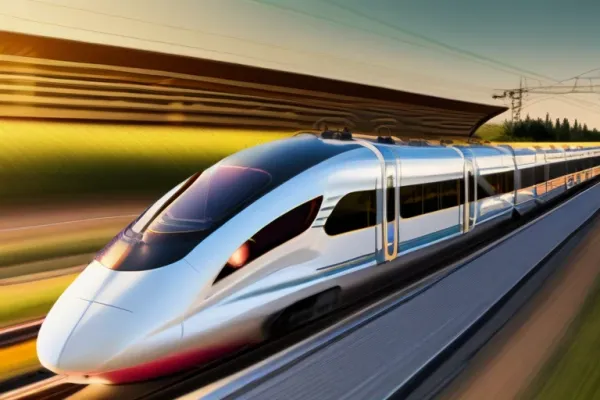
In the summer of 2026, Germany, the center of Europe, is going beyond a simple travel destination and is becoming a huge stage where transportation innovation, sports drama, and the challenges of Korean companies intersect. The daily lives of citizens flowing along Frankfurt's dense tram tracks show the future of the sustainable city we should aim for, and on the World Cup stage held far away in Houston, USA, the small island nation of Curaçao, led by coach Dick Advocaat, is making history against Germany. At the same time, on the Le Mans circuit in France, Korea's premium brand Genesis is knocking on the door of the European market, overcoming the huge barrier of the three German companies. These colorful events may seem unrelated on the surface, but they are ultimately united by the common thread of 'challenge for a better future and value' and provide us with deep insight.
Frankfurt, Germany's transportation system goes beyond simple transportation, and clearly proves why we must move away from car-centric thinking. Trams here are not simply a means of transportation on the road, but are a core infrastructure of the urban ecosystem where pedestrians and vehicles coexist. Well-organized timetables and efficient boarding and disembarking systems remind citizens that ‘close connectivity’ is more important than speed. On the other hand, it is difficult to avoid criticism that Korea's transportation policy is still stuck in the past grammar of considering the flow of automobiles as the top priority. As in the case of Germany, a true transformation of public transportation must begin with a paradigm shift in transportation policy that prioritizes the environment and people, rather than simply changing the means.
The match between Germany and Curaçao in the North and Central America World Cup Group E preliminaries once again confirmed the value of ‘challenging the impossible’ in sports. The fact that Curaçao, a small island nation with a population of 150,000 people, achieved the miracle of being undefeated in the preliminary round and advanced to the finals is in itself a monumental event in modern soccer history. In particular, the fighting spirit shown by coach Dick Advocaat, who led the Korean national team in 2006, setting the record as the oldest World Cup coach at the age of 79, shows the quality of a leader who pursues his own strategy without giving in to the opponent's weight class. Germany is also aiming to restore its honor by using young blood like Wirtz and Musiala to wash away the humiliation of being eliminated from the group stage since 2014, and their match, regardless of win or loss, is maximizing the moving narrative that soccer provides.
Meanwhile, Hyundai Motor Company's luxury brand Genesis is setting a new milestone in the '24 Hours of Le Mans' race, which is considered the pinnacle of motorsports. Genesis management, led by President Jose Muñoz, predicted a head-to-head competition with the three German companies (Benz, BMW, and Audi) on a circuit that requires extreme durability beyond simply increasing sales. Completing at Le Mans is the surest means of proving the brand's technological prowess and reliability, and the strategy to use this as a stepping stone to expand the sales network throughout Europe is very aggressive and systematic. The European market is a place with high brand loyalty and strict luxury standards, but Genesis is showing confidence that it will break down this strong wall through diversified powertrains such as electric vehicles and hybrids.
Amid this dynamic trend, it is very encouraging that Suwon City has established a venue for public diplomacy to promote Korean traditional culture through a sister city event with Freiburg, Germany. Cultural exchanges in which citizens directly participate, such as Hanji crafts and Hanbok experiences, play an important bridge role in strengthening emotional ties between countries as much as the economic advancement of large corporations. This shows that networks between cities are evolving beyond simple administrative cooperation into practical exchanges led by citizens. Ultimately, Korea and Germany are influencing each other in different areas such as automobiles, sports, and culture, and are moving toward the wider world in their respective fields.
■ Conclusion and analysis outlook
All of these events passing through Germany suggest that the direction in which we must move is 'expansion' and 'reflection'. Just as an efficient tram system makes us reflect on city life, the challenges of a small country make us reflect on the essence of sports, and Genesis' entry into Europe once again confirms the spirit of challenge that Korean brands must have in the global market. The summer of 2026 is not just a change of seasons, but a huge test of how we will prove and harmonize our values on the world stage. In the images of those who think and run fiercely in their respective positions, we will be able to find hopeful clues toward a better tomorrow.
* This post is a commentary by PlayBBS that analyzed real-time Google Trends popular search terms and related major articles.
- 이전글 A long journey toward justice: The heavy questions that the YouTuber Kwak Hyeol-su case asks us
- 다음글 The cruel history of the transfer market in European football: the complex tangle of interests surrounding Mark Cucurella
댓글목록 0
등록된 댓글이 없습니다.