
The 2-on-2 fierce battle that heated up the night in Dallas, Japanese …
페이지 정보
작성자 playbbs 작성일 26-06-15 11:30 조회 130 댓글 0본문
The 2-2 fierce battle that heated up the night in Dallas, Japanese soccer's survival report for the North and Central America World Cup
Written on: June 15, 2026 | Column by current affairs critic specializing in IT/media
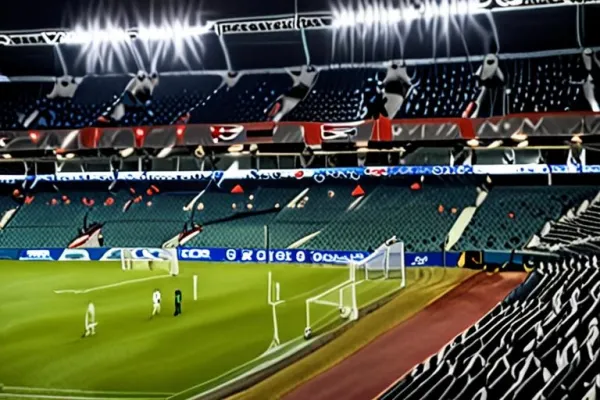
With the excitement of the 2026 North and Central America World Cup reaching its peak, the game that attracted the most attention took place in Group F, also known as the ‘Group of Death.’ Japan, taking on an ambitious challenge to become the world's leader, and the Netherlands, a traditional powerhouse, clashed at the Dallas Stadium in the United States, capturing the attention of soccer fans around the world. Even before the game, the Netherlands, ranked 8th in the FIFA rankings, was expected to have the upper hand, but when the lid was opened, the world of competition was full of drama that could not be explained by numbers alone. This slugfest, with four goals scored in the second half alone, was perfect proof of why this group is called the ‘Group of Death.’ Let's take a look at what Japan gained and lost in this fierce match, as well as its cool-headed record and the atmosphere on the field.
The flow of the game unfolded in a stark contrast between the first and second halves. Throughout the first half, the Netherlands took full control of the game, pushing Japan hard with high ball possession and organized pressure. In particular, the Netherlands' attackers, led by Donian Mallon, constantly knocked on Japan's goal and tried to score, but Japan's goalkeeper Zion Suzuki made decisive saves and saved the team several times from conceding a goal. On the other hand, Japan showed a classic pattern of not being able to find a clue to attack due to being weighed down by defensive pressure to the extent that they did not record a single effective shot during the first half. However, this frustrating trend turned into a fierce battle as soon as the second half began, drawing enthusiasm from the audience.
In the 5th minute of the second half, the game got out of hand when Dutch captain Virgil Van Dijk headed in a sharp cross from Hrabenberg to open the scoring. Japan immediately launched a counterattack, and in the 12th minute of the second half, Keito Nakamura, who received a clever pass from Takefusa Kubo, scored with a powerful right-footed shot to bring the game back to square one, showing off the power of Asian soccer. However, the Netherlands took the lead again just 7 minutes later with Crisencio Sumerville's left-footed shot, showing off their world-class status. At the end of the game, when defeat seemed likely, Japan did not give up and took advantage of a corner kick, scoring a lucky equalizer when Koki Ogawa's header was deflected off the body of Daichi Kamada, securing a valuable point.
The soccer world's evaluation of the result of this game is quite mixed. While some are giving a positive evaluation of Japan's performance against the strong Netherlands, there are many who point out that tactical instability was exposed, such as Takefusa Kubo, a key resource of the team, being replaced due to injury. In particular, some data analyzes highlight that Japan's power is still inferior in objective indicators, as not a single Japanese player was included in the best 11 of the group league. From the perspective of the Japanese national team, which has promised to win the World Cup, the possibility that such cold eyes from the outside could act as psychological pressure in the remaining group stage games cannot be ruled out.
Meanwhile, the early performance of Asian countries in this tournament is truly dazzling. Korea and Australia each won against powerful players, Qatar also recorded a draw, and even Japan drew with the Netherlands, continuing Asian soccer's record of going undefeated in its first game. This is not just a coincidence, but a result that proves the overall upward standardization and tactical perfection of Asian soccer. Japan's persistent pursuit in the match against the Netherlands must have instilled caution in other group stage countries, such as Sweden and Tunisia, who will face them in the future. Now, Japan must overcome the thorny path of advancing to the quarterfinals once again by facing Tunisia in the second game, with the task of managing injured players and reorganizing defensive organization.
■ Conclusion and analysis outlook
The 2-2 draw confirmed by Dallas means 'half success' and 'another beginning' for Japanese soccer. In order to achieve the grand goal of becoming the world's best, it is essential to have the stamina and tactical flexibility to maintain the concentration shown in the second half of this game for the entire 90 minutes. It was certainly a great achievement to get one point against the huge wall called the Netherlands, but the bad injuries and lethargy in the first half remained issues that must be resolved. Now the public's attention is focused on the second round. The eyes and ears of soccer fans around the world are turning to North and Central America to see how far the Asian soccer sensation will continue in this World Cup and whether Japan will be able to overcome the Group of Death and emerge as a true powerhouse.
* This post is a commentary by PlayBBS that analyzed real-time Google Trends popular search terms and related major articles.
- 이전글 Hermes’ clever transformation: beyond the era of ‘ownership’ to the era of ‘experience’
- 다음글 Cracks in the media empire, a harsh winter faced by Content Tree Central and Megabox
댓글목록 0
등록된 댓글이 없습니다.