
Peace in the Strait of Hormuz, the complex calculations behind it and …
페이지 정보
작성자 playbbs 작성일 26-06-16 04:32 조회 281 댓글 0본문
Peace in the Strait of Hormuz, the complex calculations behind it and the uncertain future
Written on: June 16, 2026 | Column by current affairs critic specializing in IT/media
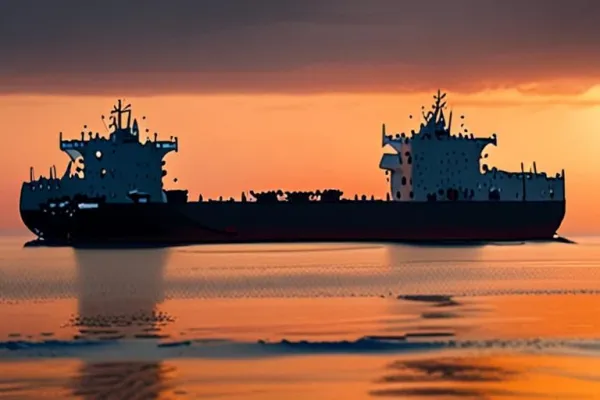
The Strait of Hormuz, the heart of the global energy supply chain, is ready to reopen after 106 days of tension and fear. The armed conflict between the United States, Israel, and Iran that began in late February has pushed the global economy to the brink, but the international community is finally breathing a sigh of relief as a dramatic agreement to end the war was recently reached. However, behind the splendor of the victory, there is a tense conflict between the United States and Iran over the right of passage through the strait. On the surface, a peaceful reopening was declared, but if you read between the lines of the agreement, you can see that the flames of conflict have not yet been completely extinguished. Let's take an in-depth analysis of the complex details of whether this agreement to end the war is truly a prelude to peace or merely a temporary suture.
The core of this agreement is the change in the status of the Strait of Hormuz contained in the previous memorandum of understanding (MOU) to be signed in Geneva, Switzerland on the 19th. U.S. President Trump is focusing on showing off his international leadership by pledging to immediately lift the maritime blockade and to 'freely open' the strait. However, Iran's interpretation is quite different. Iranian semi-official media reported that the previous agreement specified that Iran and Oman were responsible for managing maritime services in the Strait of Hormuz, suggesting that Iran had secured the right to collect fair tolls after the 60-day grace period. These two sides' conflicting claims are likely to spark another technical and diplomatic dispute over the operation of the strait in the future.
The war of nerves over leadership in strait management goes beyond a simple fee issue and is a point where Iran's economic sovereignty and America's strategic hegemony collide. After the 60-day free passage period, Iran is presenting a specific blueprint to provide practical maritime services such as sea route safety, environmental protection, and insurance services and generate revenue in return. On the other hand, key U.S. administration officials, including Vice President Vance, appear to dismiss Iran's claims, maintaining that they still expect the long-term free opening of the strait. This ultimately means that the ambiguous term 'maritime services' specified in the agreement could become a pretext for diplomatic conflict at any time depending on future interpretation.
The immediate positive effects of the previous agreement are clear. As more than 600 ships and 60 million barrels of crude oil, which have been trapped for months, prepare to be released to the market, international oil prices and the stability of the global supply chain have turned on. The international community, including the Korean government, welcomed this agreement, evaluating it as a significant step forward in restoring peace in the region. In particular, our government strongly urges the safe resumption of navigation for our ships passing through the strait and hopes that this agreement will be not simply a temporary ceasefire but the foundation for sustainable peace. However, ship tracking data in the field has not yet shown any noticeable large-scale movements, so careful observation is still needed before actual opening is achieved.
The biggest barrier on the road to peace is the chronic problem of Iran's nuclear program and sanctions against Iran. Although this agreement to end the war succeeded in stopping the war, the key issues of limiting nuclear development and easing sanctions have been postponed to follow-up negotiations for 60 days after signing. Although President Trump emphasizes that Iran has agreed to permanently give up its nuclear weapons, the deep distrust and differences between the two sides remain difficult to overcome. The end of the war without a solution to the nuclear issue is like a castle built on sand, and if follow-up negotiations are difficult, there is a risk that geopolitical risks in the Middle East will be reignited at any time.
■ Conclusion and analysis outlook
In conclusion, it is clear that the agreement to end the war between the United States and Iran is a historic turning point that eased tensions in the Middle East and gave the global economy a breath of fresh air. However, the gap in interpretation surrounding the right of passage in the Strait of Hormuz and the fundamental conflict structure of the nuclear issue still leave an uneasy impression. Peace is not achieved by simply stopping war. How practical and sincere the negotiating parties present in the 60-day follow-up negotiations that will follow the signing ceremony on the 19th will determine the future direction of the Middle East situation as well as the global energy market. Now is the time for the international community to watch the actual implementation of the agreement rather than flashy rhetoric, and keep a close eye on whether the true meaning of freedom of navigation is guaranteed.
* This post is a commentary by PlayBBS that analyzed real-time Google Trends popular search terms and related major articles.
댓글목록 0
등록된 댓글이 없습니다.