
Shadow of a splendid festival: The glory and scars of the 2026 North a…
page information

text
Shadow of a splendid festival: The glory and scars of the 2026 North and Central America World Cup
Written on: June 16, 2026 | Column by current affairs critic specializing in IT/media
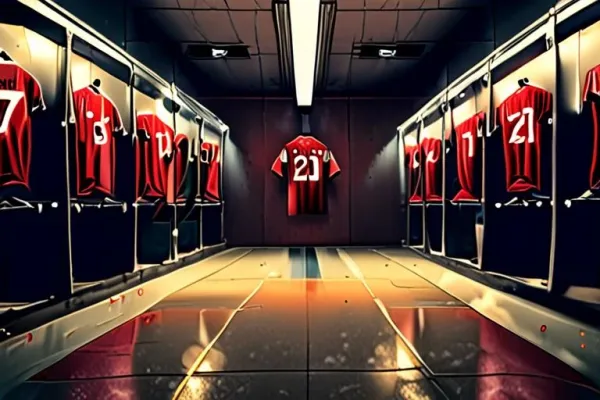
The 2026 North and Central America World Cup, which will thrill the hearts of soccer fans around the world, has finally come to a spectacular close. It is clear that the running and cheering of athletes on the green ground is the best sports festival that humanity can enjoy, but behind the flashy lights, a cold reality that we have not seen before coexists. Some people had to hold back tears after encountering the cruel ambush of injury on the stage they had dreamed of their entire lives, while in other places, the stories of tragic missing people buried in the heat of the festival raise questions for us. We would like to consider again the true meaning of soccer through the various scenes surrounding this World Cup and what kind of shadow is behind the victory and joy shown by sports.
The huge stage called the World Cup is a lifelong goal and a hall of glory for players, but it is also a place of harsh trials. Recently, there have been unfortunate cases of players with world-class skills, such as Jo Yu-min, Hugo Ekitique, and Juan Foyth, being forced to give up their dreams of participating in the World Cup due to plantar fascia rupture or Achilles tendon injury. In particular, these injuries clearly demonstrate the physical limitations and physical overload problems of modern soccer in that they occur even without collisions with opposing players. According to medical experts, if repeated micro-damage is left unattended, it can lead to fatal consequences beyond simple inflammation such as fascia rupture. This goes beyond simple personal misfortune, and suggests that the relentless and murderous game schedule and the red signals sent by the bodies of players suffering from it have reached a critical point.
Outside the stadium, the streets of Guadalajara, Mexico are filled with the cries of people looking for their lost family rather than the joy of the festival. It is heartbreaking to see people paradoxically taking advantage of the World Cup period, when soccer fans from around the world gather, to call for the international community's attention by putting up posters with the faces of missing people combined with national team uniforms. With more than 130,000 people missing across Mexico and suspicions of involvement with drug cartels continuing, the reality is that investigations are not properly conducted due to lack of budget. The poor administrative system that requires 15 people to handle 16,000 investigative records clearly reveals the structural tragedy that this city is experiencing. The contrast between attempts to raise the nation's status in the name of soccer and those whose survival is threatened in the shadows requires deep reflection on the ethical responsibilities that sports must address.
Meanwhile, the transfer market frenzy presents another form of chaos that contrasts with the tragedy off the pitch. Prestigious European clubs, such as Tottenham and Real Madrid, are investing astronomical amounts of money to strengthen their power, which is an indicator of how extreme the fierce competition for survival between clubs is becoming. The recruitment of new prospects around the team's core players like Son Heung-min and the ambitions of young players who dream of becoming team legends provide great entertainment to fans, but at the same time, the endless controversies surrounding star players like Bellingham shine a light on the dark side of the brilliant star system. The harsh world of professional players, like Nunes, who are classified as out-of-strength depending on the team's tactical changes, is fraught with instability in which individual players can be reduced to expendable items at any time. This transfer market frenzy proves that soccer is gradually being reorganized beyond sports and into the logic of huge capital.
Beyond being a sport that determines victory or defeat, soccer is also a huge vessel that contains the pain of a country's culture and community. The process of Korean players playing on the international stage, such as Lee Kang-in, growing up and feeling proud as members of the national team gives hope to many, but hidden behind it is the human suffering of players who leave due to injury or suffer from complex interests between clubs. We get excited by the sight of our heroes scoring goals on the pitch, but we must not forget the physical burden they carry and the sober assessment of their clubs. At the same time, an attitude that does not ignore social issues such as the problem of missing persons occurring in the venue where the World Cup festival is held would be the mature perspective that a true soccer fan should have. The dynamism of the sport of soccer and the human and social narrative contained within it become another window through which we view the world.
■ Conclusion and analysis outlook
In conclusion, the 2026 North and Central America World Cup is more than just a competition to determine the winner, it is like a mirror that reflects the various contradictions of our time. The tears of players frustrated by injuries, the desperation of families looking for missing people, and the ruthlessness of the transfer market driven by the logic of capital, all of this is melted into one keyword: soccer. We must simultaneously face the pain of the players hidden behind the spectacular goals and the social tragedies taking place outside the stadium. For sports to truly become a medium that inspires humanity, it must be accompanied by efforts to protect the dignity of humans and communities in the process, rather than just racing toward victory. I sincerely hope that this World Cup will not simply be a record of wins and losses, but will be an opportunity to improve the reality we face and empathize with each other's pain.
* This post is a commentary by PlayBBS that analyzed real-time Google Trends popular search terms and related major articles.
Comment list
There are no registered comments.