
Life Halted on the 11th Floor: A Warning from the Tragedy of Aging Apa…
페이지 정보

본문
A Life Stopped at the 11th Floor: A Warning Sign from the Tragedy of Aging Apartments
Date: June 10, 2026 | Column by IT/Media Current Affairs Critic
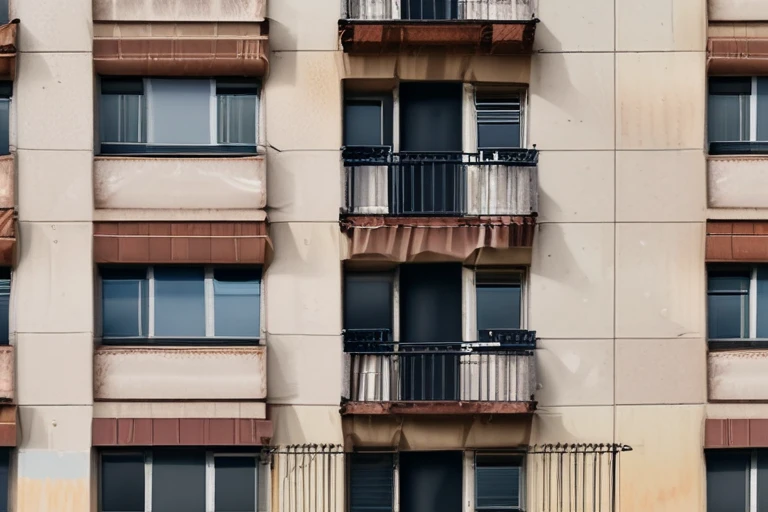
For some, it was a routine task to provide a cool summer, but the fall accident at an apartment in Busan became a tragic terminal point that instantly claimed the lives of workers. This accident cannot be dismissed as mere individual carelessness or bad luck; it is a disaster that clearly exposes the aging residential environment and the blind spots in labor safety that our society has long ignored. The news that two workers in their prime, in their 40s, lost their lives while trying to save a colleague is heartbreaking. We must take a deep look at what drove them to their deaths and what the reality of these dangerous work sites truly is.
The accident occurred at an aging apartment complex built in the late 1980s, which has stood for about 40 years. On-site investigations suggest that as the workers leaned against the balcony railing to install an air conditioner outdoor unit, the railing itself could not withstand the weight and tore away completely. The failure of the railing at the height of the 11th floor left the workers with no chance of survival, and even the instinctive attempt to save a colleague led to a tragic joint fall. This starkly demonstrates that the structural aging of a building is not just an aesthetic issue, but a lethal factor that directly threatens the lives of residents and workers alike.
What this tragedy highlights once again is the blind spot in housing policy. While multi-unit dwellings built after 2006 are legally required to have air conditioner outdoor units installed indoors, countless apartments built before that are still in environments where workers must perform dangerous tasks relying on external railings. In the case of aging apartments, even though corrosion or weakened fixation of railings is a constant risk factor, regular safety inspections or maintenance systems for them are severely lacking. Buildings excluded from legal protection are effectively becoming structural traps that drive workers to their deaths.
This incident also has significant implications for the labor environment. The company involved is a small business with fewer than five regular employees, placing it outside the scope of the Serious Accidents Punishment Act. This proves that many of the dangerous tasks in our society are performed by small businesses that cannot even guarantee minimal legal safety nets. Under pressure to cut costs and ensure rapid installation, workers continue to perform precarious tasks, testing the limits of safety equipment. Unless this structural contradiction is resolved, second and third such fatal falls are bound to repeat.
Meanwhile, macroeconomic indicators such as the polarization of the real estate market and rising construction material costs are exacerbating these on-site safety issues. According to a recent report by the Korea Housing Institute, the construction industry's sentiment is extremely dampened due to the stagnation of the pre-sale market and soaring construction costs. In particular, the accumulation of unsold units, especially in provincial areas, and financial regulations are further eroding the capacity for safety investment at construction sites, which ultimately risks leading to a cold market logic that prioritizes cost efficiency over compliance with safety regulations.
In the political sphere, controversies over high-ranking officials owning multiple homes and making billions of won in market profits dominate the news headlines, causing public outrage. While those responsible for real estate policy discuss wealth accumulation in the billions, the absurd reality persists where workers lose their lives in the field because a single old railing could not be repaired. This stark contrast in temperature between the upper echelons of policy and the lower levels of labor sternly asks where the values our society should pursue lie, and what politics should prioritize.
■ Conclusion and Analysis Outlook
The Busan apartment fall accident contains the systemic failures of our society and should not be concluded as a mere mistake during work. A thorough census of aging facilities, strengthening the accountability of management entities, and establishing practical safety support measures to protect workers in small businesses are urgent. Furthermore, we must break down the administrative silos where housing policy and labor policy operate separately, and end the practice of gambling with someone's life for another's convenience. We must never forget that what fell from the 11th floor was not just two workers, but the minimum safety and dignity that our society must protect.
* This post is an analysis column automatically regenerated in the style of a current affairs critic by analyzing real-time Google Trends popular search terms and related major articles.
- 이전글국가폭력의 새로운 정의: 검찰의 과거와 미래를 묻다 26.06.10
- 다음글광통신 패러다임의 최전선, 성호전자가 그리는 AI 데이터센터의 미래 26.06.10
댓글목록
등록된 댓글이 없습니다.