
Reconnecting the blood vessels of Seoul: The 9.2 trillion won ‘3rd urb…
페이지 정보

본문
Reconnecting Seoul’s blood vessels: The odds of winning the 9.2 trillion won ‘3rd urban rail network’
Written on: June 11, 2026 | Column by current affairs critic specializing in IT/media
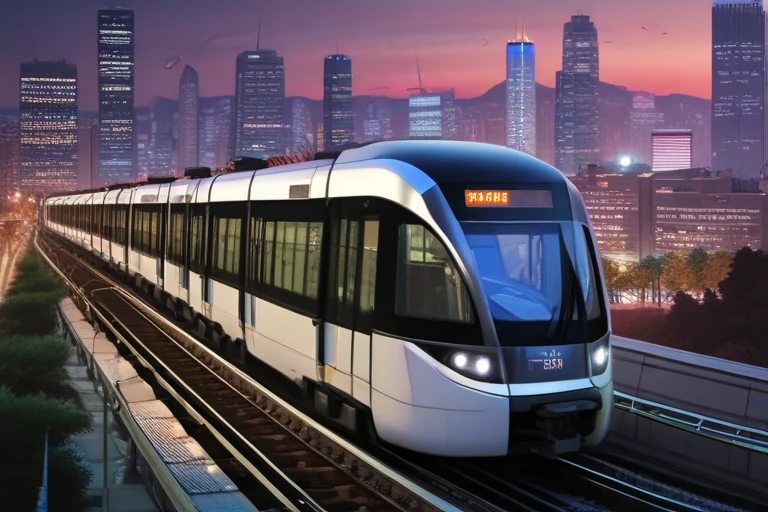
The map of the huge city called Seoul is constantly changing at this very moment, but there are still isolated islands in various places that are not reached by the veins of modern civilization, such as the railroad. For citizens who had to walk more than 20 minutes to the subway station on their way to work, the railroad was just a thought of the distant future, but now the city of Seoul is trying to put an end to that tedious wait. The ‘3rd Urban Rail Network Construction Plan’, which involves constructing and extending six routes with a total project cost of approximately 9.2 trillion won, is an ambitious blueprint that goes beyond simple infrastructure expansion to connect the east, west, south, and north of Seoul in a balanced manner. Indeed, this huge transportation transformation project aims to turn back the pendulum in a region that has stopped and point out how it can change the daily lives of citizens.
The key to this plan is to improve execution by redesigning difficult problems that have been floating around for a long time into realistic alternatives. The most representative Gangbuk Crossing Line is a key route that crosses the northeast, northwest, and southwest of Seoul from Mok-dong to Cheongnyangni, but has been struggling due to low business feasibility. To overcome this, the city of Seoul boldly adjusted the number of stations and secured economic feasibility by preemptively reflecting 49 future development plans in surrounding areas. In addition, the Nangok Line also optimized the number of stations from 6 to 5 and regained momentum for the project by revising the demand for redevelopment in nearby areas such as Sillim District 7 based on data. This can be said to be a typical example of how the Seoul Metropolitan Government can overcome stagnant long-awaited projects by combining private data and policy will, beyond simply drawing a route.
Strategies to relieve traffic congestion in the southwestern region have also become more sophisticated. The Seonam Line, which is a large-scale expansion of the existing Mokdong Line plan, seeks to complete the framework of the southwest region's transportation network through the main line from Magongnaru Station to Gasan Digital Complex and the branch line from Seobu Truck Terminal to Dangsan. In particular, the Western Line is showing its determination to prevent the worst-case scenario of business interruption by playing with two cards at the same time, namely, private re-announcement and conversion to a financial business, in order to overcome the limitations of privately funded projects. In addition, so-called ‘connection projects’ that connect disconnected sections such as the southern extension of the Western Line and the northern extension of the Sillim Line will play a role in dramatically improving railway accessibility by maximizing the efficiency of existing routes. This highlights the Seoul Metropolitan Government's pragmatic policy philosophy of improving the structure of the entire system by filling in gaps in the existing network rather than focusing only on creating new large routes.
If this plan is realized, the changes that citizens will feel are clearly visible in the numbers. Through this construction plan, Seoul City has set a goal of shortening the subway station access time by about 2 minutes from the current average of 9.97 minutes to 8.03 minutes. Considering that the number of beneficiaries affected by the new route reaches 7.83 million, it is expected to have a huge impact on the quality of life and mobility rights of citizens. In particular, it can be said to be the realization of ‘transportation welfare’ for residents of transportation-disadvantaged areas such as Pyeongchang-dong, Shinwol-dong, Doksan-dong, and Segok-dong, where access to subway stations took more than 20 minutes. Increasing the efficiency of public transportation will not only improve the productivity of the entire city, but will also serve as a key driver of balanced development and reduce regional gaps.
The external environment that supports the effectiveness of policies is also being created more favorably than in the past. As the Ministry of Strategy and Finance's revision of the preliminary feasibility study system has strengthened the items of balanced regional development and public transportation efficiency, the likelihood that Seoul's railway lines, which have suffered due to economic feasibility until now, will pass the preliminary feasibility study has increased. The Seoul Metropolitan Government took advantage of this policy change and announced a speed race to complete the approval process within the second half of the year through close consultation with the Ministry of Land, Infrastructure and Transport and a citizen public hearing on the 30th. In addition, the strategy is to conduct a feasibility review reflecting the latest demand for additional routes, such as the eastern line connecting Gangnam and Gangbuk, and to respond flexibly at any time by changing the 3rd network plan. If the speedy processing of administrative procedures and sophisticated data-based design are combined, Seoul's transportation map will be reorganized to be much more detailed and efficient than it is now.
■ Conclusion and analysis outlook
The 3rd urban rail network construction plan announced by the Seoul Metropolitan Government is more than a simple construction project, but is a strong declaration toward the future vision of ‘a city where anyone, anywhere can use the rail within 10 minutes.’ This grand journey, which continues through the 9th popularly elected term based on the achievements made during the 8th popularly elected term, will raise Seoul's urban competitiveness to the next level by combining the hardware of railway infrastructure expansion and the software of transportation service innovation. Of course, there remain realistic tasks of securing a huge budget of over 9 trillion won, complicated administrative procedures, and business feasibility, but if citizens' desire for balanced regional development and Seoul City's strong will to implement it are aligned, this great transformation is by no means an impossible dream. Now that full-scale administrative procedures have begun after a public hearing, it is time to pay attention to how Seoul City will fulfill its promise to citizens without a hitch.
* This post is an analysis column that is automatically recreated in the style of a current affairs critic's commentary by analyzing real-time Google Trends popular search terms and related major articles.
- 이전글제국의 귀환과 거절당한 야망: 레알 마드리드의 격동하는 여름 26.06.11
- 다음글두 명의 이준호, 서로 다른 무대에서 써 내려가는 치열한 성장 서사 26.06.11
댓글목록
등록된 댓글이 없습니다.