
The era of ‘Homo Duduri’, lost between light and shadow, Seoul Interna…
페이지 정보

본문
The era of ‘Homo Duduri’, lost between light and shadow, Seoul International Book Fair
Written on: June 11, 2026 | Column by current affairs critic specializing in IT/media
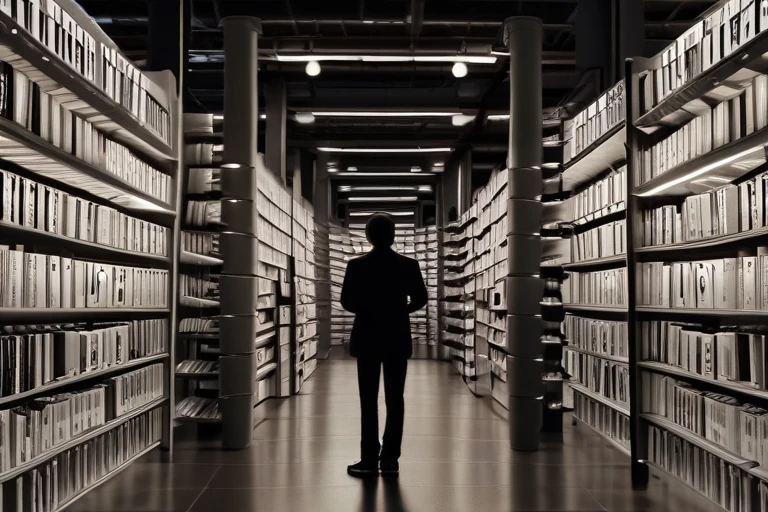
Every year in early summer, the crowds that fill the COEX exhibition hall serve as an indicator of how passionate Korean society is about the medium of books. The Seoul International Book Fair, which celebrated its 68th anniversary this year, raised the philosophical topic of ‘Manifesto: Homo Duduri’ and revealed its ambitious ambition to shed new light on the unique value of humans in the era of artificial intelligence. However, behind the spectacular lineup and intellectual awareness of the topic, there is a heavy shadow of narrow booth space and controversy over transparency. What we should truly read in the heat of the festival is not simply the successful box office records, but the growing pains faced by the book fair and the complex cross-sections of the publishing ecosystem that intersect within it.
The theme of this year’s book fair, ‘Homo Duduri’, uses the mythical blacksmith as a motif and praises the active nature of humans who constantly forge questions rather than settling for answers provided by AI. To this end, novelist Kim Yeon-soo collaborated with AI to write the theme sentence, and over 530 publishers from 18 countries, including Bernard Werber, participated, once again showing off its status as an international festival. Inviting France as the guest of honor and providing a venue for diverse discussions encompassing gastronomy, literature, and technological ethics will certainly provide intellectual enjoyment to readers. However, behind these brilliant plans, the physical limitations of exhibition space are making publishers feel frustrated. While the number of publishers wishing to participate is rapidly increasing, the physical space at COEX is limited, and the reality is that many independent publishers and small publishers have to endure the hardships of the selection process.
The opacity of the selection process and dissatisfaction with the operation method are now chronic problems of book fairs. In particular, as the book fair was converted to a joint-stock company system, doubts about its public nature have grown, and there has been criticism that large companies unrelated to publishing occupy large booths or that the selection criteria are unclear. Small publishers who rebelled against this came up with self-rescue measures to find contact with readers by organizing alternative events such as the ‘Seoul Proper Book Fair’ or ‘Seoul Self-Book Fair’. They are not simply an ‘anti’ force, but have a desire to restore the public nature of books and a creator-centered festival culture. For those who suffer from the double whammy of increased booth fees and failure to be selected, the Alternative Book Fair is the only escape where they can meet and communicate directly with readers and gain motivation for survival, as well as a struggle to regain the essence of the festival.
Along with the popularity of the event, the immaturity of the ticket reservation system still remains a problem to be solved. The queue delays that occurred during early bird ticket reservations and the difficult-to-understand reservation limit of 49 tickets per ID sparked controversy over hoarding and received strong protests from visitors. In particular, the ‘Duduri Pass’, which was sold for a limited number of 100 people, was pointed out to be similar to the Magic Pass at an amusement park and faced criticism that it was ‘buying time with money’, which is a point of conflict with the value of ‘humanity’ that the book fair aims for. The organizers explain that they are making efforts to improve the system, but the repeated noise about reservations every year is becoming a factor that is causing fatigue to visitors and damaging the brand value of the book fair. Consideration for the digitally underprivileged and establishment of a fair reservation process should be the first steps in responsible operation befitting the reputation of the largest book festival in Korea.
The Korean Publishing Culture Association seems to have been aware of this criticism and announced plans to secure more than 30% of the space next year to accommodate more publishers and readers. However, the common view in the field is that all problems will not be solved simply by expanding space. Transparent disclosure of selection criteria, booth allocation that ensures diversity in the publishing ecosystem, and sincere communication to strike a balance between commerciality and publicness must come first. A clear explanation of the profit structure and operating philosophy after the joint-stock company system is also essential to regain the trust of publishers. In order for book fairs not to simply become a venue for promoting bestsellers, but to remain as ‘blacksmiths of the soul’ where small, unknown books meet readers and create a new world, we need the courage to overcome the current growing pains head-on.
■ Conclusion and analysis outlook
The 2026 Seoul International Book Fair asks us questions between technological progress and human thinking. However, for that question to be valid, coexistence between the publishers that make up the festival and trust with readers must first be solidified. Just as ‘Homo Duduri’ gazed into the fire and forged the future, the Seoul International Book Fair must also gaze into the current conflict and noise and become a forge for a better tomorrow. We hope that next year, more publishers and readers will laugh together in a larger space, and the public nature of the book fair will be restored, making alternative book fairs unnecessary. Books are the most powerful tool to prove that humans are human, and book fairs should be the most beautiful stage for that proof.
* This post is an analysis column that is automatically recreated in the style of a current affairs critic's commentary by analyzing real-time Google Trends popular search terms and related major articles.
- 이전글바다 위 에너지 혁명, 삼성중공업이 쏘아 올린 미국 LNG 시장의 신호탄 26.06.11
- 다음글우주로 가는 티켓, 기대와 현실 사이: 스페이스X IPO와 미래에셋의 딜레마 26.06.11
댓글목록
등록된 댓글이 없습니다.