
Hormuz on the edge of a cliff: The precarious escape of Korean ships a…
페이지 정보
작성자 playbbs 작성일 26-06-11 13:24 조회 113 댓글 0본문
Hormuz on the edge of a cliff: The precarious escape of Korean ships amid the US-Iran conflict
Written on: June 11, 2026 | Column by current affairs critic specializing in IT/media
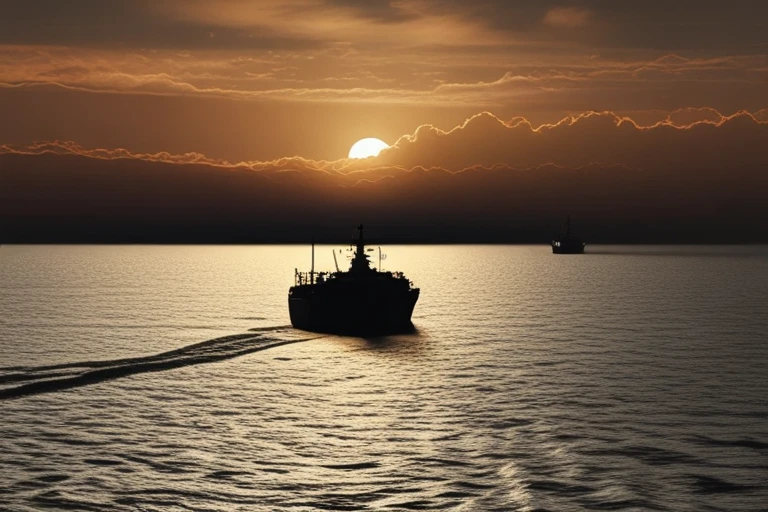
The Strait of Hormuz, known as the main artery of the world's energy supply, is now turning into a powder keg. Military tensions between the United States and Iran are at an all-time high, forcing ships trying to transit this narrow waterway to gamble with their survival at every turn. In this situation, Korean ships stranded inside the strait are trying to escape one by one, despite the danger. Recently, with the dramatic departure of two Korean ships from the strait, concerns about the safety of stranded sailors have lessened somewhat, but the field is still full of unpredictable variables. Let's take an in-depth analysis of the entire story and the behind the scenes of the current situation to see what strategies our government and shipping companies are using to overcome the crisis in this urgent maritime blockade situation.
The recent case of Korean ships leaving the Strait of Hormuz clearly shows how complex interests are involved in this situation. Last month, HMM's crude oil carrier 'Universal Winner' passed through the strait through direct negotiations with the government, and recently, an additional LNG carrier succeeded in escaping the danger zone. However, the escape of this LNG ship is characteristic in that it was achieved through direct negotiations with Iran by a foreign charterer who rented the ship, rather than by the government. This suggests that the departure of ships from conflict areas is unfolding in various ways, not only through diplomatic coordination at the government level, but also through individual survival strategies of private companies. Although two ships have escaped safely to date, there are still 24 Korean ships and 139 sailors remaining inside the strait, creating a tense situation.
Iran's declaration of complete closure of the Strait of Hormuz is a strong response to the intensifying military conflict with the United States. As the U.S. Central Command conducted daily airstrikes on key infrastructure such as energy facilities, gas fields, and major waterworks in southern Iran, Iran defined this as a clear act of aggression and threatened to target all ships attempting to pass through the strait as military targets. In fact, the Iranian military is demonstrating its control by carrying out practical attacks, such as firing on two ships trying to pass through the strait. In particular, artillery battles between the Iranian Revolutionary Guard and the U.S. military are occurring throughout the strait, creating a dangerous environment where it is nearly impossible for commercial ships to even maintain normal navigation routes. This armed conflict is going beyond a simple diplomatic conflict and is escalating into a full-scale hybrid war over energy supply and demand routes.
Information warfare between the US and Iranian forces is also a factor that makes this situation more confusing. Iran claims that it has completely blocked the strait, but the U.S. Central Command counters that commercial ships are still passing through the area based on real-time tracking, and the announcements from both sides are conflicting. This is interpreted as part of psychological warfare, with Iran trying to put pressure on the international community by showing off its control over the strait, and the United States' strategic move to emphasize that freedom of navigation is maintained to calm the anxiety of its allies. Meanwhile, the Korean Ministry of Foreign Affairs is strongly requesting safe passage of our ships from Iran and is in close communication with relevant countries, but as the military situation on the ground changes rapidly, we are faced with the difficult task of increasing the level of safety monitoring at every moment. The fact that specific route information is kept private for the safety of the ship and crew is proof of this urgent situation.
The essence of this incident is that it clearly demonstrates how geopolitical risks in the Middle East region can paralyze global supply chains. In particular, for a country like Korea that is highly dependent on energy imports, the stability of the Strait of Hormuz is an issue directly related to the national economy. Iran is expressing through the United Nations that it will never give in to pressure from the international community and the U.S. threat of use of force, which foreshadows a long-term standoff. As a result, our government is expected to continue its two-track strategy of maximizing the negotiating power of private charterers by collaborating with individual shipping companies while maintaining international diplomatic cooperation. In order for the remaining 24 ships to return safely, a careful adjustment of the route that puts the safety of on-site crews as the top priority is urgently needed, along with multifaceted international pressure that will lead to a change in Iran's hard-line attitude.
■ Conclusion and analysis outlook
The conflict between the United States and Iran over the Strait of Hormuz has gone beyond a simple regional conflict and has become a huge vortex that threatens the blood vessels of the world economy. The escape of our two ships is a hopeful sign, but countless sailors and cargo are still living anxious days under the gunfire of war. The government must use all its diplomatic capabilities to reach a practical security agreement with Iran, and companies must make operational decisions that put the lives of seafarers first. What we need now is not an emotional response, but a cool-headed assessment of the situation and the ability to manage the crisis through close cooperation with the international community. It seems more important than ever to provide thorough support and continuous attention at the national level so that our ships can safely return to their homeland despite the threat of rough waves and shelling.
* This post is an analysis column that is automatically recreated in the style of a current affairs critic's commentary by analyzing real-time Google Trends popular search terms and related major articles.
댓글목록 0
등록된 댓글이 없습니다.