
The 1,500 Won Barrier: The Pros and Cons of the 'Dollar Defense' Trigg…
페이지 정보
작성자 playbbs 작성일 26-06-11 20:19 조회 58 댓글 0본문
The 1,500 Won Barrier: The Pros and Cons of the 'Dollar Defense' Triggered by Exchange Rate Fear
Date: June 11, 2026 | Column by IT/Media Current Affairs Critic
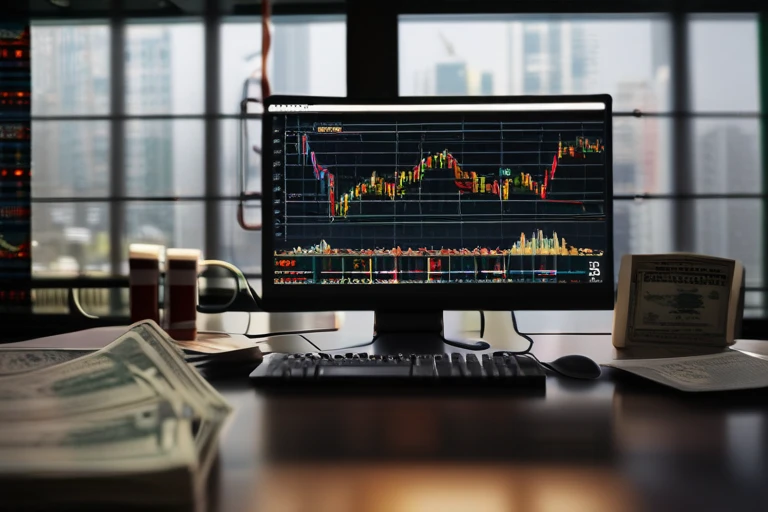
Recently, the clock of the South Korean economy has stalled at the unfamiliar exchange rate of 1,500 won. The prolonged high exchange rate, unprecedented since the financial crisis, is shaking the foundations of corporate management strategies and household asset management, going beyond mere market indicators. As geopolitical risks in the Middle East overwhelm the fundamentals of the real economy and the trend of flocking to the dollar—a safe asset—accelerates, the government has finally resorted to the desperate measure of 'expanding dollar supply' in cooperation with private companies. What message is this urgent defense of the foreign exchange market sending to our economy?
The won-dollar exchange rate closed at a high of 1,528.9 won, marking a strange phenomenon of staying in the 1,500 won range for 18 consecutive trading days. This implies structural instability that is difficult to explain solely by external factors such as US interest rate hike prospects or the Middle East war. In particular, the flow of foreign investors selling domestic stocks for 24 consecutive trading days to secure dollars has further fueled the value of the dollar in the market. The government judged that verbal intervention and market monitoring by foreign exchange authorities were insufficient to control the upward pressure on the exchange rate, and ultimately took the strong measure of urgently summoning major domestic export companies such as Samsung Electronics and Hyundai Motor.
The core of the government's request to companies is the prompt conversion of export proceeds and the inflow of overseas retained earnings into the country. Export companies usually tend to adjust their dollar holdings in anticipation of further exchange rate increases after receiving payments in dollars, and the government believes this 'lead and lag' phenomenon is exacerbating the dollar shortage in the market. At this meeting, the Vice Ministers of the Ministry of Economy and Finance and the Ministry of Trade, Industry and Energy expressed strong concern that if the high exchange rate continues for a long time, it will only increase the burden on companies and households, let alone domestic demand recovery. Companies also agreed that exchange rate volatility increases management uncertainty and expressed their intention to actively cooperate with the government's efforts to stabilize supply and demand.
The impact of the high exchange rate has penetrated deep into the realm of household asset management beyond the corporate business field. The phenomenon of dollar insurance and dollar deposits selling at record levels clearly shows how strong the psychology of seeking exchange gains in a high exchange rate situation is. In the first quarter of this year, sales of dollar insurance surged to 1.6 times the level of last year, and the balance of dollar deposits in the banking sector also increased significantly. Financial authorities are wary of dollar insurance turning into a means of currency speculation, issuing consumer alerts and summoning insurance company executives to urge the prevention of incomplete sales, but as the expectation of exchange rate increases does not break, the authorities' restraint order seems insufficient to completely reverse the market flow.
The government is strengthening public-private cooperation by offering carrots such as expanding import insurance for export companies and raising loan guarantee limits to stabilize the exchange rate. This is a multi-purpose move to support companies burdened by rising raw material import costs due to the sharp rise in the exchange rate, while simultaneously resolving the supply and demand imbalance in the foreign exchange market. However, there are concerns that such government intervention could harm market autonomy, and tension is rising across the market as foreign exchange authorities conduct high-intensity inspections to root out speculative transactions. Ultimately, to overcome the massive wave of exchange rates, what is needed is not artificial supply and demand control by the government, but a fundamental prescription of robust recovery of the real economy that confirms the external soundness of our economy and the mitigation of geopolitical risks.
■ Conclusion and Analysis Outlook
The current high exchange rate situation is like a mirror reflecting the internal and external vulnerabilities facing our economy. The series of processes in which the government summons export companies to request dollar inflows and financial authorities crack down on dollar deposits and insurance is likely the best defense mechanism the state can take in a crisis situation. However, these measures are only stopgap measures, and restoring market confidence is the top priority to lower the symbolic threshold of 1,500 won. While companies, households, and the government work together to overcome the waves of high exchange rates, how we prove the solid fundamentals of our economy will be a key task for future economic policy.
* This post is an analysis column automatically regenerated in the style of a current affairs critic by analyzing real-time Google Trends popular search terms and related major articles.
댓글목록 0
등록된 댓글이 없습니다.