
Redefining Aging: From the Realm of Beauty to the Challenge of Social …
페이지 정보
작성자 playbbs 작성일 26-06-09 09:41 조회 466 댓글 0본문
Redefining Aging: From the Realm of Aesthetics to the Challenge of Social Care
Date: June 09, 2026 | Column by IT/Media Current Affairs Critic
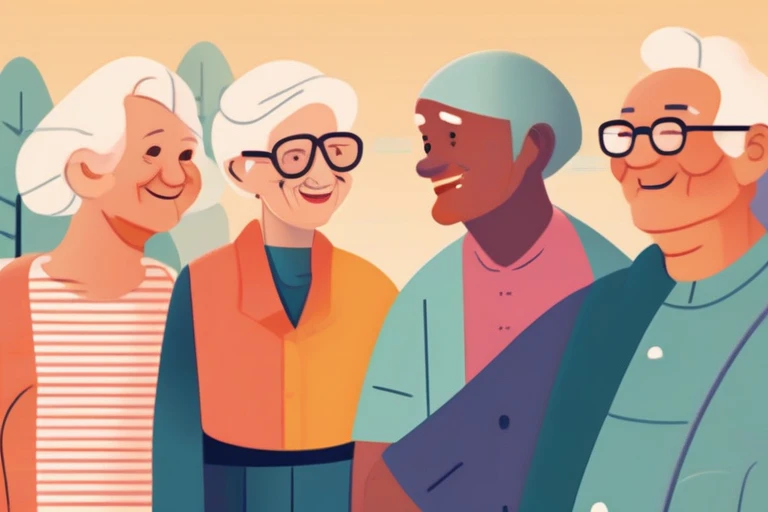
We have long accepted aging as an inevitable law of nature, viewing it simply as something to be avoided or a disease to be conquered. However, recent rapid advancements in medical technology and shifts in social structure are fundamentally shaking our stereotypes about aging. Aging has now entered a "manageable realm," where its manifestation varies significantly based on our daily dietary choices, preventive healthcare, and the policy-driven will to embrace the vulnerable, rather than just being physical decline over time.
Modern medicine has begun to view aging not as a simple consequence of time, but as a biological phenomenon that can be regulated at the molecular level. The fact that global pharmaceutical companies are expanding their research scope beyond obesity treatments into anti-aging and aesthetic medicine reflects this trend. Research data indicating that ingredients like semaglutide contribute to organ protection and the reduction of biological age suggests that we are moving beyond merely treating diseases toward fundamentally improving the quality of life. This signifies that the values of healthy beauty and long-term survival, which patients crave, have become a new milestone for the pharmaceutical industry.
Daily habits are also becoming powerful weapons in slowing the pace of aging. "Slow-aging" diets, utilizing low-sodium pickles or chickpeas, minimize the burden on the body by choosing nutrient-dense ingredients over processed, stimulating foods. Such wellness diets are not merely tools for weight loss; they are active strategies to aid digestion, lower systemic inflammation, and delay cellular aging. The fact that healthy eating habits are the key driver in correcting internal imbalances and maintaining vitality is the most effective and accessible anti-aging secret for everyone.
However, we must be wary of misjudging signs of aging or dismissing diseases as natural phenomena. Neglecting conditions like benign prostatic hyperplasia as mere symptoms of aging can lead to serious consequences, such as a decline in quality of life and kidney damage. Recent minimally invasive treatments are evolving to reduce physical burden while accelerating the return to daily life. Furthermore, early detection and professional treatment of age-related conditions that unexpectedly occur in younger populations, such as traumatic cataracts, have become essential prerequisites for a healthy middle and old age.
Surgical decisions related to aging require a new dimension of consideration: cognitive health. The psychological anxiety elderly patients face before surgery goes beyond the fear of pain; it extends to concerns about potential post-operative delirium or cognitive decline. Research shows that patients who experience post-operative delirium are at a higher risk for long-term cognitive decline, necessitating thorough pre-operative cognitive assessment and meticulous post-operative care. This suggests that medical intervention must move toward an integrated approach that protects the patient's brain health, not just physical function.
Meanwhile, our society faces another critical challenge: the "double aging" of individuals with developmental disabilities. The care gap created by the intersection of the premature aging of the disabled individual and the aging of their parents has reached a level that the existing youth-centered welfare system can no longer handle. We must now build an integrated community care system to fill the blind spots between disability welfare and elderly care services. Policy support that considers the life cycle—such as visiting nursing, hospital accompaniment, and the expansion of emergency short-term care facilities—is the only way for all members of society to maintain their dignity in the face of the universal phenomenon of aging.
■ Conclusion and Outlook
Ultimately, aging is not just a process of growing old; it is a social response to how we eat, how we are treated, and how we care for one another. From individual desires for beauty and life extension to the construction of care systems for the vulnerable, our attitude toward aging must become more sophisticated. A balanced perspective that actively utilizes scientific progress while ensuring no one is left behind is the only way we can wisely navigate the great wave of aging.
* This post is an analytical column automatically regenerated in the style of a current affairs commentary by analyzing real-time Google Trends and related major articles.
댓글목록 0
등록된 댓글이 없습니다.