
Scenes of Chaos and the Ordeal of Media: Journalism on the Front Lines…
페이지 정보
작성자 playbbs 작성일 26-06-10 02:56 조회 249 댓글 0본문
Scenes of Chaos and the Ordeal of Media: Journalism on the Front Lines of Conflict
Date: June 10, 2026 | Column by IT/Media Affairs Critic
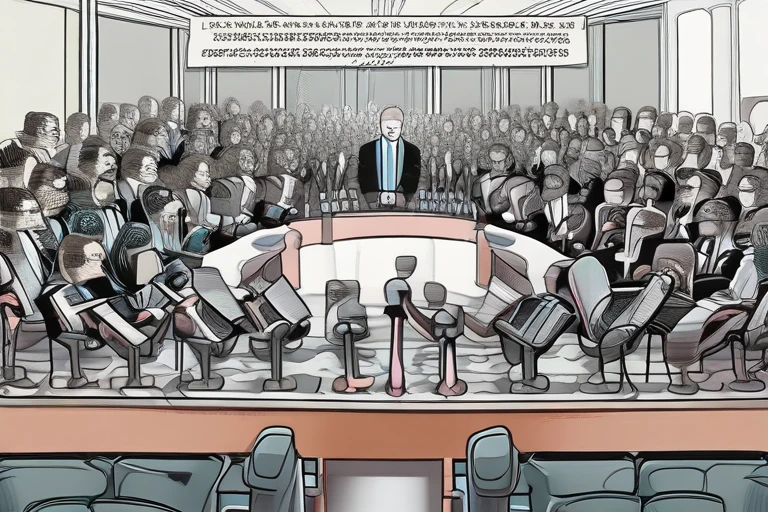
Conflict in our society is now moving beyond the public square into direct physical confrontations against the media. The recent series of incidents around the Jamsil vote-counting station and the controversy over offensive remarks at the national football team's training site clearly demonstrate that our society has lost the forum for respectful debate and has fallen into a vortex of extreme emotions—hatred and distrust. While the press is performing its inherent duty of recording events and delivering the truth, it is facing a double burden: becoming a target for specific groups or finding itself at the center of unintended controversy. It is time for us to critically examine how indiscriminate hatred toward the media threatens the foundation of democracy and what values journalism must uphold amidst this chaos.
The series of events near the Jamsil Handball Gymnasium laid bare the deterioration of protest culture and the severity of the resulting physical violence. Initially, the voices of citizens raising suspicions of election fraud and demanding a re-election were central, but as time passed, hard-line right-wing groups seized control of the protests, and the atmosphere became rapidly rigid. They labeled even those attempting rational dialogue as hostile forces, excluding them, and went as far as demanding identification from, confining, and physically assaulting JTBC reporters covering the scene. Acts such as snatching and throwing glasses and striking hands with Taegeukgi flagpoles constitute direct physical harm against the press, which is viewed as a grave challenge to democracy that goes beyond mere protest and directly infringes upon the freedom of the press.
Attacks on the media did not stop at physical violence but expanded into the despicable methods of spreading false information and "doxing" (revealing personal information) online. Groundless slander, centered on social networking services (SNS), claimed that JTBC reporters were impersonating other media outlets for undercover coverage; this was misused as a tool to incite public anger when combined with unverified videos. However, JTBC clearly stated that they had never misrepresented their identity or conducted coverage disguised as surveys, and it was confirmed that the individuals in the videos posted on SNS were actually reporters from other outlets. This spread of false information is a serious criminal act that not only threatens the safety of reporters but also distorts the essence of the event, blinding and deafening the public.
As the situation grew grave, the police and the media industry took immediate action. The National Office of Investigation of the National Police Agency announced its position to investigate the assault and doxing of reporters swiftly and strictly according to law and principle, and JTBC filed a complaint against the perpetrators for special confinement and assault causing injury based on evidence collected. Media-related organizations, including the Journalists Association of Korea, the Korea Broadcasting Journalists Association, and the Korea Video Journalists Association, issued a joint statement condemning the violence, emphasizing that violence against the press cannot be justified for any reason. This firm legal response and solidarity served as an opportunity to reaffirm that freedom of the press is the final bastion protecting our democracy.
Meanwhile, the controversy over offensive remarks at the national football team's training site shows another type of difficult situation the media faces while capturing events. While the public was outraged by the inclusion of inappropriate profanity and offensive remarks toward players in a training video released by JTBC, it was revealed that these were not the remarks of the reporters, but the voices of unspecified individuals mixed in while the site was open to the public. JTBC immediately made the video private and re-uploaded a muted version to clarify the situation, but the already spread video and controversy have not easily subsided. This is a case that well illustrates how unexpected variables encountered by the media at high-interest public events can escalate beyond technical misunderstandings into social condemnation.
Despite these conflicts and controversies surrounding the media, the cultural demands of our society have not stopped. Sports events continue to act as a powerful medium that unites the public, such as large complex shopping malls like Starfield collaborating with JTBC to organize live broadcasts of football matches. Furthermore, the fact that the JTBC drama 'New Employee Chairman Kang' is receiving a positive public response with high viewership ratings due to its solid narrative and direction suggests that the inherent value of content can move the public's heart even amidst conflict and controversy. Ultimately, the role of the media lies in balancing the dual effort of upholding the essence of journalism—objectively recording and delivering scenes of extreme conflict—while simultaneously creating cultural value that provides enjoyment and rest to the public.
■ Conclusion and Analytical Outlook
In conclusion, the recent assault on JTBC reporters and the controversy over offensive remarks clearly show how precarious a position the press holds within the complex conflict structure of our society. The blind hostility of specific groups and fake news online are undermining the credibility of journalism and blocking the possibility of democratic debate. We must not forget that when freedom of the press is threatened, the healthy critical function of our society is also paralyzed. The press must restore trust through more thorough verification and self-reflection, and citizens must stop the hatred and violence toward the media and restore a mature public square where different voices can coexist. This is precisely why fact-based reporting is more vital than ever in an era of conflict.
* This post is an analytical column automatically regenerated in the style of a current affairs critic by analyzing real-time Google Trends popular search terms and related major articles.
댓글목록 0
등록된 댓글이 없습니다.