
A Record Written by the Melodies of June: The Resonance of Patriotism …
페이지 정보
작성자 playbbs 작성일 26-06-08 23:16 조회 467 댓글 0본문
Records Written by the Melodies of June: The Echoes of Patriotism and Advice from Singers Bridging Generations
Date: June 08, 2026 | Column by IT/Media Current Affairs Critic
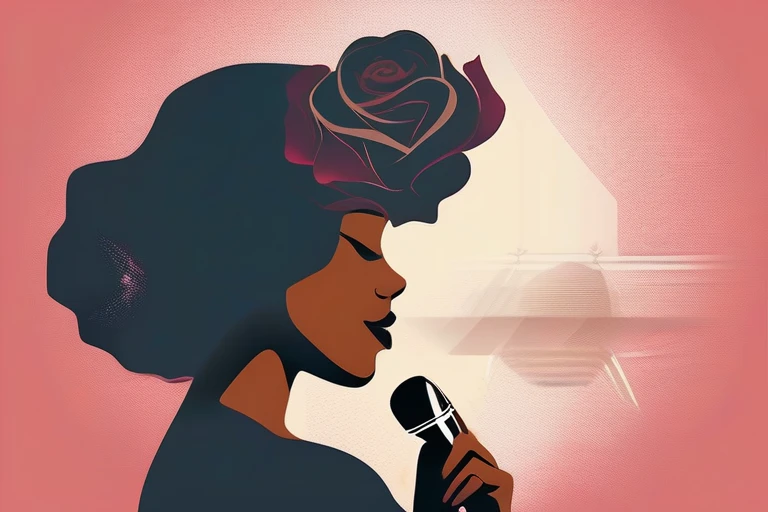
The calendar of June does not merely signal a change in season; it reminds us of the deep scars in our history and the noble sacrifices of those who rose above them. Marking this solemn period, KBS1’s long-running program 'Gayo Stage' presented its 1951st episode, a 'Patriotism and Veterans' special, using music as a medium to express the tragedy of war, the pain of separation, and the longing for peace. Beyond simply listing old songs, the program created an emotional consensus that resonates through the twists and turns of modern Korean history, delivering a profound impact to viewers. Behind this special stage lies the philosophy of iconic singers, clearly demonstrating how our popular music serves as a tool for bridging generations and providing comfort.
This 'Gayo Stage' special was a moment to face the chronic pain of our nation—division—head-on. Starting with Ha Yun-ju’s "Beautiful Country," the performance gained depth as artists spanning generations, including Contempo Divo, Seo Ji-o, Park Chang-geun, and Bae Ah-hyun, reinterpreted songs filled with the horrors of war and longing. In particular, Park Chang-geun’s rendition of "Private’s Letter" transcended the personal experience of enlistment, forcing both the younger and older generations to reflect on the sacrifices of countless youths who had to dedicate themselves to the nation. The enduring strength of 'Gayo Stage,' which has aired since 1985, stems from such timely song selections and planning that captures the spirit of the times.
Seol Woon-do, who graced the finale of the stage, showcased his legendary vocal prowess by singing of the sorrow of separated families through "Go, 38th Parallel" and "Lost 30 Years." Beyond mere technique, Seol perfectly projected the historical context and the tears embedded in the lyrics into his voice. The seasoned mastery he displayed on stage is proof of why he has reigned as a giant in the trot industry for decades. For those whose wounds from the war have yet to fully heal, his songs were not just music, but a longing for lost family and a powerful warning against tragedies that must never be repeated.
Meanwhile, Seol Woon-do’s influence extends beyond the stage through his warm encouragement and musical advice to junior singers. Recently, he garnered attention for providing sincere mentorship to singer Lyn, who is taking on the challenge of the trot genre. Seol defined Lyn’s unique nasal tone not as a flaw to be corrected, but as her own unique musical color, boosting her self-esteem as an artist. This served as a heartwarming example of a senior artist’s capacity to embrace not just the music, but the heart of a junior who has endured pain.
Seol Woon-do’s advice to Lyn, "Music is not sung with the head, but with the heart," is an insight that pierces the essence of popular music. He accurately saw the synergy that could be created when Lyn’s rich sensibility met the trot genre, and paved the way for her to sublimate even her pain into a musical asset. This communion between mentor and mentee is more than just entertainment content; it is a snapshot of how our music industry shares and develops bonds and musical philosophies between seniors and juniors. The presence of a senior who helps those with natural talent move in the right direction is a tremendous asset to our music scene.
Ultimately, the 'Gayo Stage' special and Seol Woon-do’s musical path are connected by the keywords of 'empathy' and 'comfort.' The passion of the performers who sublimate historical pain into song, and the philosophy of the masters who help juniors turn their pain into musical energy, both align in their goal of embracing the wounded and strengthening the bonds of the community. Music is not merely a sequence of sounds; it is a confession of those who endured the times and a message of hope for the future. On this June night, these melodies that filled our living rooms remind us once again of the value of history we must remember and the warm perspective we should hold toward one another.
■ Conclusion and Outlook
The June 'Patriotism and Veterans' special was a precious time that reaffirmed the healing power of Korean popular music. The passion of the performers who turned the heavy themes of war and separation into song, and the philosophy of the masters helping their juniors grow, prove that our music industry is not just a place chasing commercial success. I hope that such music will continue to break down generational walls and serve as a true window of communication that embraces the pain of our society. The songs we heard today are not just fleeting sounds; they are records of our history and will become the strength to live for tomorrow.
* This post is an analytical column automatically regenerated in the style of a current affairs critic by analyzing real-time Google Trends and related major news articles.
댓글목록 0
등록된 댓글이 없습니다.