
The Counterattack of the AI Latecomer: Apple Opens a New Era of 'Intel…
페이지 정보

본문
The Counterattack of the AI Latecomer: Apple Opens a New Era of 'Intelligent iPhone' at WWDC 2026
Date: June 09, 2026 | Column by IT/Media Current Affairs Critic
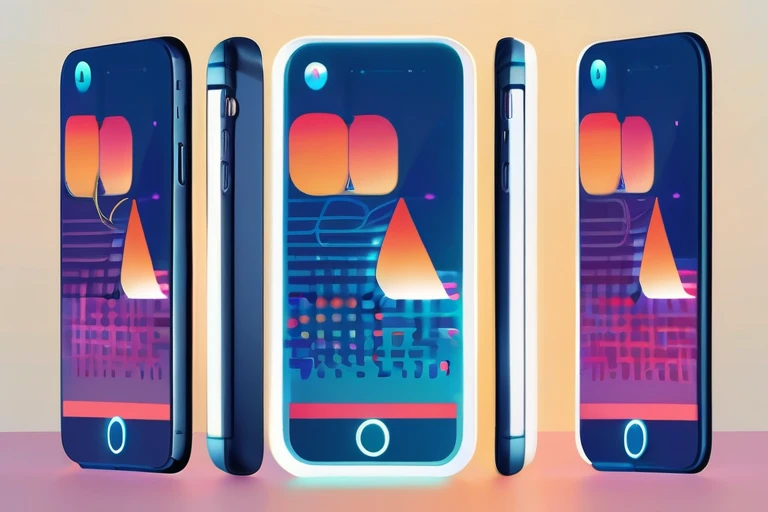
Apple, which has long carried the painful label of a "bystander in the AI race," is finally breaking its silence and signaling the start of a massive counterattack. The upcoming WWDC 2026 is expected to be more than just an operating system upgrade; it will be a historic inflection point where the iPhone evolves from a simple smart device into an "active AI agent" that anticipates user intent and takes action. We will analyze in depth the reality of the AI ecosystem Apple aims to implement—even taking the drastic step of a surprise partnership with Google—and the changes that iOS 27 will bring to our daily lives.
The core of this change is undoubtedly the massive transformation of the AI assistant, "Siri." While the existing Siri was merely a tool for executing simple voice commands, the newly reborn Siri will combine with Google's generative AI model, "Gemini," to become an intelligent companion that understands both the user's personal data and the vast information on the web. To achieve this, Apple has woven AI throughout the iPhone interface and enhanced visual feedback through new animation effects linked to the Dynamic Island. Of particular note is that Siri will now grasp context within the device—such as messages, schedules, and photos—to perform complex tasks, showcasing the essence of the "personalized AI" Apple strives for. In the future, Siri will also be provided as an independent dedicated app, offering a unique user experience that combines the convenience of conversational chatbots like ChatGPT with the inherent closed-system security of the iPhone.
The most eye-catching aspect of Apple's AI strategy is the strategic flexibility of an "alliance with a rival." Moving away from its closed-off approach of insisting only on its own technology, the decision to adopt Google's Gemini model signifies that Apple has acknowledged the AI technology gap and chosen pragmatism. However, Apple has pledged not to stop at simple technology adoption; it intends to combine it with its own powerful philosophy of data protection to build a "fundamentally different" AI service where user privacy is not compromised during data processing. While introducing an open structure that allows users to choose their preferred AI model, Apple is designing it to be seamlessly integrated into the iOS environment so that users do not feel the dissonance of using Google's technology. This hybrid strategy is evaluated as the most realistic and clever move for Apple to leap from lagging behind to the forefront of the AI race.
Innovation in user experience (UX) at the operating system level is also a key point to watch in iOS 27. Apple has completely redesigned the notification center approach, introducing a left-slide notification display instead of the top of the screen, and placing a new "Search or Ask" interface utilizing the Dynamic Island at the forefront. The intention is to allow users to communicate with AI instantly across the entire system without needing to open individual apps when searching for something or asking a question. Furthermore, "Visual Intelligence" technology has been heavily integrated into the Camera and Photos apps, including features that automate tedious daily tasks, such as taking a picture of a receipt to automatically calculate a split bill, or analyzing and editing objects within photos. By tightly integrating AI into everyday apps, Apple is employing a strategy that makes users naturally permeate deep into the AI ecosystem without even realizing it.
However, it remains to be seen whether these massive changes will provide a perfect experience for all users immediately. Industry analysts suggest that the new Siri features are likely to be released with a "beta" label initially, or be opened sequentially via a waitlist, similar to the past case of Apple Intelligence. Also, due to the nature of on-device AI, there is a high possibility that features will be limited to devices equipped with the latest processors. In the Korean market specifically, there are concerns that the completeness or scope of support for features may be limited compared to English-speaking regions due to differences in language datasets for global AI models. Nevertheless, the fact that Apple is linking AI across core apps like Notes and Health will be a powerful incentive that allows users to tangibly experience improved productivity.
Meanwhile, Apple is not neglecting the fundamentals of hardware and software stability. The next-generation Mac operating system (macOS 27), to be unveiled alongside iOS 27, is expected to focus on "Snow Leopard-style" completeness and performance optimization rather than flashy new features. This is a direct response to usability degradation and bug issues raised following the recent introduction of the Liquid Glass design. In fact, even just before WWDC, Apple has been putting its all into software stabilization, distributing minor updates (iOS 26.5.1) to resolve errors in the Photos app. This move to build a solid foundation before layering on new AI technology reaffirms Apple's long-standing management philosophy that keeping user trust is just as important as grand innovation.
■ Conclusion and Outlook
Starting with WWDC 2026, Apple is ready to shed the stigma of being a "latecomer" and be reborn as the protagonist of an intelligent ecosystem centered on the iPhone. The acceptance of external technology through strategic alliances with Google, differentiated security policies prioritizing privacy, and sophisticated AI features melted into everyday apps clearly show what kind of future Apple has been preparing for. Of course, challenges such as initial adoption constraints and performance gaps by language remain, but if Apple's unique integrated design capability and obsession with user experience are combined, the AI competition in the smartphone market will face a new phase. This iOS 27 will be more than just a software update; it will be a massive turning point where the very way we interact with our smartphones changes fundamentally.
* This post is an analysis column automatically regenerated in the style of a current affairs critic by analyzing real-time Google Trends popular search terms and related major articles.
- 이전글'음료 3잔'의 역설: 갑질의 민낯 뒤에 숨겨진 프랜차이즈 노동의 그늘 26.06.09
- 다음글'파친코'의 얼굴에서 '뼈말라'의 아이콘으로: 배우 김민하의 파격적인 변신과 그 이면 26.06.09
댓글목록
등록된 댓글이 없습니다.