
A Record of the Sea 6,000 Years Ago: Harpoon Tip Embedded in Whale Bon…
페이지 정보
작성자 playbbs 작성일 26-06-08 15:25 조회 459 댓글 0본문
Records of the Sea from 6,000 Years Ago: Harpoon Tips Embedded in Whale Bones Become History
Date: June 08, 2026 | Column by IT/Media Current Affairs Critic
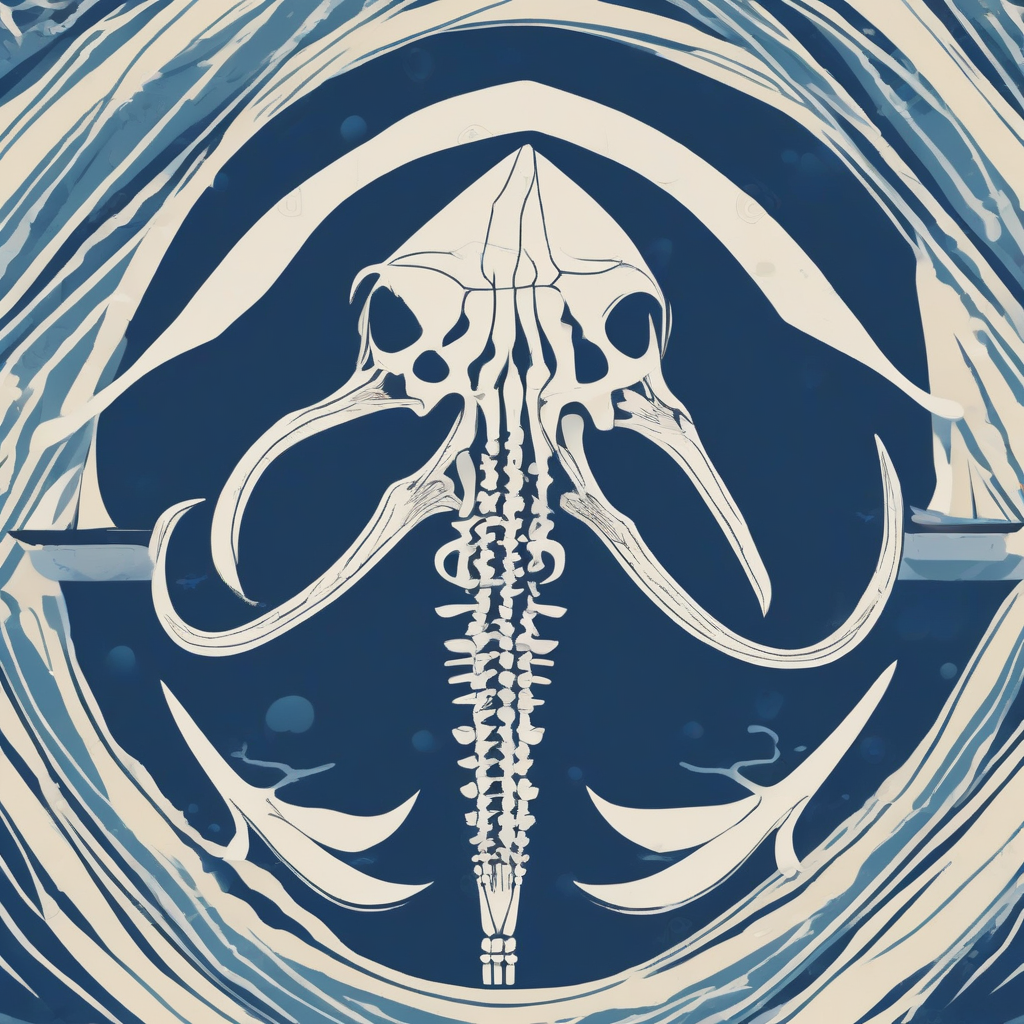
From the perspective of modern people, whales are objects of immense awe and symbols of protection. However, to the prehistoric people living on the southeastern coast of the Korean Peninsula during the Neolithic Age, whales were the most intense targets for survival-based hunting. The recent announcement by the Korea Heritage Service to designate the "deer antler harpoon tips embedded in whale bones," housed at the Ulsan Museum, as a National Folklore Cultural Heritage is more than just the preservation of an artifact; it marks a significant turning point in scientifically reconstructing the vivid scenes of our ancestors' lives. This unique evidence—harpoon tips found embedded in bone, a rarity worldwide—brings the prehistoric landscape we only encountered in textbooks into concrete reality, sparking extraordinary interest from both academia and the public.
The artifacts slated for designation as National Folklore Cultural Heritage were dramatically discovered in 2010 during an excavation for road construction at a Neolithic site in Hwangseong-dong, Nam-gu, Ulsan. At the time, the site drew academic attention as over 800 artifacts, including pottery and fishing net weights, were unearthed, providing a glimpse into the Neolithic fishing culture. Among them, four artifacts—whale tail and shoulder bones with deer antler harpoon tips meticulously carved and embedded within them—are considered definitive indicators of the sophistication of whaling technology at the time. Radiocarbon dating revealed these artifacts date back to between 4,000 and 3,000 BCE, suggesting that Neolithic people on the Korean Peninsula already possessed advanced marine hunting technology.
The reason these artifacts hold unparalleled academic value is that the purpose of the prehistoric tools, traces of their use, and the relationship with the hunted prey remain intact in a state of physical union. The harpoon tips, crafted by sharpening high-strength deer antlers, prove that hunters of the time accurately understood animal ecology and selected the optimal materials to craft their weapons. In particular, the fact that the harpoon tips are deeply embedded in the whale bones is irrefutable evidence that these were not mere ceremonial ornaments, but practical hunting tools used to subdue massive whales. In the domestic and international archaeological community, discovering such artifacts that "taxidermy" the very moment of a hunt is an extremely rare case, serving as invaluable data for understanding the survival wisdom of ancient humanity.
Above all, these artifacts are significant in that they serve as a crucial link supporting the historical authenticity of the "Petroglyphs of Bangudae Terrace," a UNESCO World Heritage site. Previously, some scholars had suggested that the scenes of whaling using boats, harpoons, and nets depicted in the Bangudae petroglyphs might be symbolic or ritualistic expressions. However, the artifacts being designated now clearly demonstrate that the depictions in the petroglyphs are empirical data recording specific fishing activities that actually took place during the Neolithic Age. In other words, these artifacts perfectly prove that the petroglyphs were not the artistic imagination of prehistoric people, but a historical "documentary" recording the reality of their lives.
Another significant aspect of this designation is that it marks the first time artifacts directly related to production and subsistence activities of the prehistoric era have become a nationally designated cultural heritage. While our cultural heritage policy has historically focused on royal artifacts, high-value art, or architecture, this case signals a major shift by granting national preservation value to the "history of daily life," where ordinary prehistoric people fiercely struggled to survive. This represents a shift in perspective, viewing history not merely as a record of rulers, but as a vivid record of the lives of the people who lived through the era. Such efforts to rediscover historical value and expand its meaning will contribute significantly to broadening the scope of our cultural heritage.
The Korea Heritage Service plans to collect opinions from various sectors during the 30-day notice period before finalizing the designation as a National Folklore Cultural Heritage through the deliberation of the National Heritage Committee. The name will also be changed from the existing "Whale Bone with Embedded Bone Tip" to "Deer Antler Harpoon Tip Embedded in Whale Bone" to more clearly reflect the material characteristics and historical significance of the artifacts. Ulsan City expects that this designation will serve as a symbolic asset that, along with the Bangudae petroglyphs, informs the world that Ulsan has been a key hub and center of exchange for East Asian maritime civilization since prehistoric times. This will strengthen the region's identity and serve as an opportunity to once again imprint the status of Korean prehistoric culture on the global archaeological community.
■ Conclusion and Analytical Outlook
The "Deer Antler Harpoon Tip Embedded in Whale Bone" is not merely an old bone and a piece of stone. It is a record of the passionate lives of our ancestors who made the sea their home 6,000 years ago, and living proof of human history as they struggled against nature to survive. This designation as a National Folklore Cultural Heritage is more than just commemorating a fossilized past; it will be an important milestone for us today to reflect on the maritime pioneering spirit and wisdom left behind by our ancestors. We hope that these artifacts will become known to more people and be preserved for a long time as a proud cultural asset that reaffirms the depth and breadth of our history.
* This post is an analytical column automatically regenerated in the style of a current affairs critic by analyzing real-time Google Trends search terms and related major news articles.
댓글목록 0
등록된 댓글이 없습니다.