
A New Landscape on the East Coast: The Warning and Opportunity Brought…
페이지 정보
작성자 playbbs 작성일 26-06-10 05:16 조회 323 댓글 0본문
A New Landscape on the East Coast: The Warning and Opportunity Brought by the 'Ocean's Lottery,' Bluefin Tuna
Date: June 10, 2026 | Column by IT/Media Current Affairs Critic
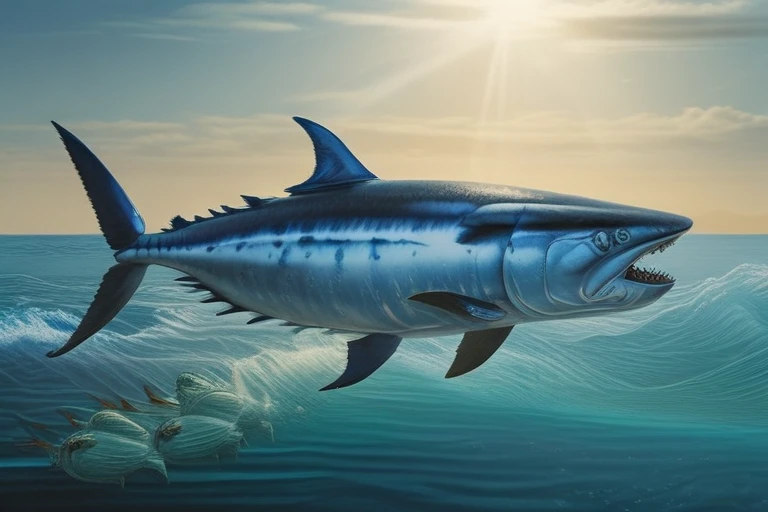
The peaceful morning at Jumunjin Port in Gangwon-do was suddenly energized by the appearance of a massive school of bluefin tuna. These precious visitors, once seen only in Jeju or the southern coast, are now frequenting the East Sea as if it were their own home, getting caught in fishermen's nets in large numbers. While the sight of hundreds of bluefin tuna pouring in at once may feel like an unexpected windfall for fishermen, it hides a rapid change in the marine ecosystem that we must face. This phenomenon is more than just a boon for the fishing industry; it is the most powerful and chilling evidence of how quickly the waters around the Korean Peninsula are heating up.
Recently, the Gangneung Jumunjin Port auction house witnessed an unprecedented spectacle where over 170 adult bluefin tuna, measuring nearly 2 meters in length and weighing up to 140 kilograms, were auctioned off at once. Although bluefin tuna have occasionally been found on the East Coast, such a large volume appearing all at once is recorded as an unprecedented event. Fishermen are realizing that native species like gizzard shad, which once filled the East Coast, are gradually disappearing, while subtropical species like bluefin tuna are taking their place. This phenomenon goes beyond the migration of a specific species; it serves as an indicator that the water temperature of the East Coast has transformed into an environment vastly different from the past.
According to scientific analysis, the surface water temperature around the Korean Peninsula has risen sharply over the past few decades, and the East Sea, in particular, is warming at a much faster rate than other waters. Data from the National Institute of Fisheries Science proves that this rise in water temperature has fundamentally altered the migration routes of bluefin tuna. Bluefin tuna, which prefer warm waters, move northward in pursuit of prey such as sardines, mackerel, and squid. As the East Coast's water temperature has become a suitable habitat for them, it is becoming common for them to stay even during the autumn and winter months. Ultimately, the "bountiful bluefin tuna harvest" we are witnessing is not a natural ecological cycle, but a product of environmental restructuring caused by global warming.
The sudden increase in catch has brought both economic opportunities and unpredictable management challenges to fishermen. The past incident in Yeongdeok, Gyeongsangbuk-do, where over 1,400 bluefin tuna were discarded, was a painful lesson on how futile unprepared abundance can be. The case where precious resources were simply thrown away due to a lack of proper distribution networks and storage systems served as a major wake-up call for the fishing industry. To prevent such tragedies from recurring, the government, local municipalities, and private companies have begun a major overhaul of the distribution structure. This is the beginning of a strategic response that goes beyond just catching fish, focusing on how to convert the caught resources into high-value products.
The public-private partnership model, centered in Gyeongsangbuk-do, is part of a concrete effort to improve the constitution of the East Coast fishing industry. In consultation with the Ministry of Oceans and Fisheries, local governments have significantly increased the bluefin tuna catch quota and introduced a flexible allocation method tailored to real-time field conditions. In particular, collaboration with specialized distribution companies equipped with ultra-low-temperature freezing facilities includes ambitious plans to maintain the freshness of bluefin tuna to maximize quality and export it to new overseas markets such as Japan and Europe. This establishment of distribution networks, combined with the modernization of auction houses, is expected to play a key role in stabilizing fishermen's income by enabling rapid purchase and processing even during temporary mass catches.
However, apart from these industrial responses, we must remain vigilant about the long-term uncertainties that changes in the ocean will bring. While bluefin tuna becoming a major species on the East Coast could be a new source of income for fishermen, we cannot completely rule out the possibility of existing ecosystem disturbances and unpredictable marine disasters caused by climate change. The Coast Guard's strengthening of the marine pollution reporting reward system and the ongoing project to release juvenile fish using thermal discharge from nuclear power plants are also desperate measures to maintain the balance of the ecosystem amidst these changes. We are now at a crossroads where we must exercise more sophisticated and meticulous policy wisdom for sustainable fishing between the warnings and gifts sent by the ocean.
■ Conclusion and Outlook
Are the bluefin tuna at Jumunjin Port promising us a future of a bountiful ocean, or are they signaling the prelude to an unstoppable climate crisis? What is clear is that the map of the East Coast sea has completely changed, and we who live within it must not cling to the ways of the past. Even if we cannot stop climate change, it is entirely up to us how we manage and preserve the new resources that emerge from those changes. I hope that this mass catch of bluefin tuna will become a new turning point for scientific and systematic marine resource management, rather than indiscriminate harvesting or disposal. The ocean is still bountiful, but the qualification to enjoy that bounty will be given only to those who face the changes and prepare for them.
* This post is an analytical column automatically regenerated in the style of a current affairs critic by analyzing real-time Google Trends popular search terms and related major articles.
댓글목록 0
등록된 댓글이 없습니다.