
In the Age of AI, the Question Posed by 'Homo Dooduri': The Bright and…
페이지 정보
작성자 playbbs 작성일 26-06-10 10:56 조회 215 댓글 0본문
The AI Era and the Questions Posed by ‘Homo Duduri’: The Bright and Dark Sides of the 2026 Seoul International Book Fair
Date: June 10, 2026 | Column by IT/Media Current Affairs Critic
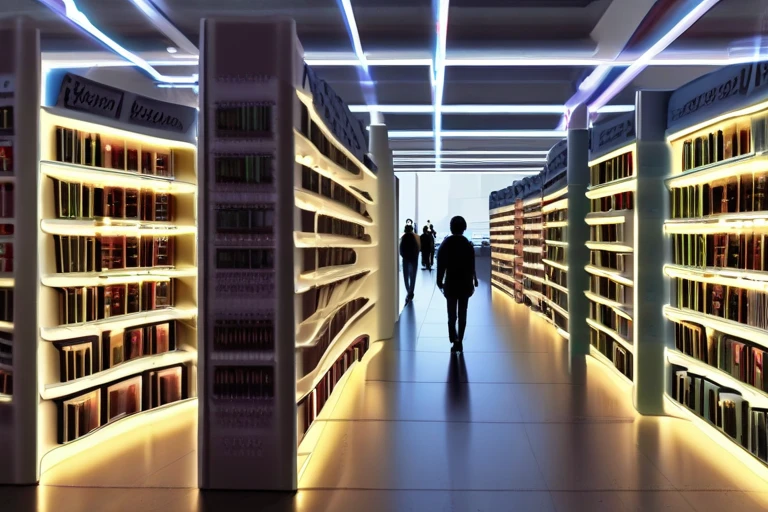
In an era flooded with digital fragments, paradoxically, the scent of paper books is spreading more intensely than ever. The ‘2026 Seoul International Book Fair,’ held at COEX from June 24 to 28, is evolving beyond a mere exhibition for new releases into a venue for intellectual inquiry that questions the essence of humanity in the face of the massive wave of artificial intelligence. Having driven the ‘Text Hip’ craze by attracting 150,000 visitors, this festival seeks the coexistence of technology and humanity this year through the theme of ‘Homo Duduri.’ However, behind the bright lights lie deep-seated concerns: the chronic growing pains of the publishing ecosystem, lack of space, and the realistic gap between large and small publishers.
The core theme of this year’s book fair, ‘Homo Duduri,’ symbolizes the blacksmith of mythology, representing the human capacity to not stop but to actively ‘hammer out’ questions in an age where AI provides the answers. The thematic statement, co-authored by novelist Kim Yeon-su and a state-of-the-art AI model, symbolically demonstrates the collaborative model between humans and technology that this event aims for. The essential goal of this book fair is not to reject AI, but to ask what value books hold as tools that expand human thought. To this end, speakers from various fields, including neuroscientists, musicians, and actors, will participate to deeply reflect on the unique domains of humanity that technology cannot replace.
Programs commemorating the 140th anniversary of diplomatic relations with France, the guest of honor, further elevate the international stature of this book fair. Twelve French intellectuals, including Bernard Werber, will visit Korea to present the essence of French culture, ranging from literature and philosophy to gastronomy, to Korean readers. In particular, the international seminar addressing ethics and copyright issues in the AI era will serve as a crucial turning point where experts from Korea, France, and Taiwan gather to discuss common challenges facing the publishing industry. The attempt to find practical solutions for creating a book-reading society through France’s public policy cases holds great significance for the publishing world.
Despite the star-studded lineup, voices from the publishing field still harbor complex emotions. As the popularity of the book fair has soared, competition for booth allocation has intensified, and dissatisfaction among small publishers who lost opportunities to participate due to space shortages is rising. The booth operation centered on large publishers and the selection process based on qualitative evaluation have caused a sense of relative deprivation among small and medium-sized publishers, leading to the emergence of alternative events like the ‘Seoul Proper Book Fair’ or ‘Seoul Independent Book Fair.’ While the organizers have announced plans to expand space by over 30% next year, establishing more transparent and reasonable win-win measures to protect the diversity of the publishing ecosystem remains an urgent task.
Beyond commercial success, this book fair also highlights programs that shed light on the artistic value and sustainability of books. The case of Busan’s independent publisher ‘Text Press,’ which was selected as one of the ‘Most Beautiful Books in Korea’ for its reproduction of Kandinsky’s art book, is an encouraging signal that expands the Seoul-centric publishing discourse to the regions. Additionally, the ‘What a Pity, This Book’ corner, which brings back high-quality books that did not receive sufficient attention, offers a glimpse into the organizers’ deep contemplation on reclaiming the essence of works in a consumption-oriented publishing market. These attempts provide readers with an opportunity to rediscover the physicality and historical value of books beyond simple new book purchases.
Changes have also been made to operational methods to consider the convenience and safety of visitors. Inducing the dispersal of visitors through early-bird tickets, systematizing the lecture reservation system, and conducting on-site sales to accommodate the digitally marginalized demonstrate the operational finesse required for large-scale events. However, the excessive competition for lecture reservations and the no-transfer policy attest to the readers’ fervent desire for popular programs. All lectures are designed to be freely audible in open spaces, aiming for an open festival where anyone can share in the excitement of the venue.
■ Conclusion and Outlook
The 2026 Seoul International Book Fair poses important questions to us at the intersection of technological progress and human essence. Although challenges such as internal conflicts within the publishing industry and spatial limitations persist, the will of publishers and readers to connect through books remains strong. I hope this book fair does not end as a temporary festival but becomes a sturdy bastion that respects the diversity of the publishing ecosystem and protects human thought in the AI era. When we all, as ‘Homo Duduri,’ continuously hammer out our own questions, books will finally become the most reliable guide toward the future.
* This post is an analytical column automatically regenerated in the style of a current affairs critic by analyzing real-time Google Trends popular search terms and related major articles.
댓글목록 0
등록된 댓글이 없습니다.