
Fear of Black Monday: Collapsed Markets and Their True Colors Revealed
페이지 정보

본문
The Terror of Black Monday: Collapsed Markets and Exposed Realities
Date: June 09, 2026 | Column by IT/Media Current Affairs Critic
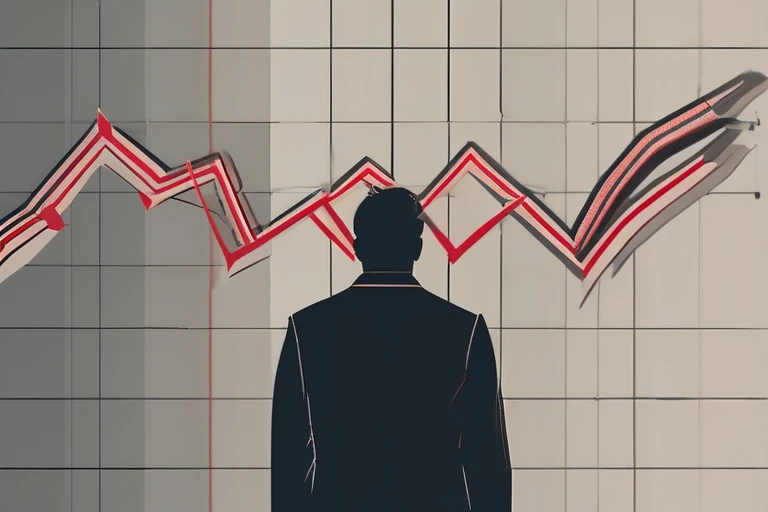
It is always an unannounced storm that shakes our peaceful daily lives. On June 8, 2026, the South Korean stock market experienced extreme terror, as if standing on the edge of a cliff. As a massive wave of adjustments in the global semiconductor market hit the domestic stock market, the KOSPI and KOSDAQ indices collapsed helplessly. Circuit breakers and sidecars were triggered in succession, bringing the market to a halt, and the screams of investors filled the cold air of the dealing rooms. This cruel reality, faced at the end of a glamorous bull market, is laying bare the vulnerabilities of the financial market that we have overlooked until now.
The trigger for this crash was the adjustment in global semiconductor stocks. As the semiconductor sector, a barometer of the world economy, faltered, key domestic large-cap stocks such as Samsung Electronics and SK Hynix became targets of panic selling. Compounded by the negative factor of a sharp rise in the exchange rate, foreign capital flowed out like an ebb tide, and investor sentiment froze in an instant. The Korea Exchange attempted to calm the overheated fear by suspending trading on both the KOSPI and KOSDAQ markets. A drop of over 8% in the index during the session was not merely a slump in specific stocks, but a powerful signal that the foundation of the entire market was shaking.
When the market plummeted, the first to scream were the individual investors who had invested with "debt." So-called "debt-investors" (leveraged investors) faced a terrible vicious cycle where their collateral value melted away as the stock market fell. According to the Korea Financial Investment Association, the scale of forced liquidations (margin calls) on the 5th exceeded 160 billion KRW, reaching its highest level in two years and eight months. This did not stop at mere investment losses but led to forced liquidations where brokerage firms sold off stocks. These forced sales created a domino effect that pushed stock prices down further, leading to tragic results that accelerated market volatility.
A point of particular note in this incident is the dangerous betting by individual investors who flocked to leveraged products. Leveraged ETF investors who poured large amounts of capital in anticipation of a rise in specific stocks like SK Hynix are now at risk of losing more than their principal due to the "negative compounding effect" in a falling market. With the balance of credit trading loans currently exceeding 37 trillion KRW, there is a high possibility that further forced liquidations will pour out like a burst dam if the market shakes even a little more. Experts define the current section, where fundamental support lines have collapsed, as an "acceleration phase of volatility" and warn that securing cash in preparation for deeper adjustments is urgent.
Meanwhile, amidst the chaos in the financial market, the complacent administrative handling by public institutions has come under fire. It was belatedly revealed that the personal information of 909 cultural heritage dealers was leaked through the information disclosure bulletin board of the website operated by the Korea Heritage Service. The fact that sensitive information, including residential addresses, mobile phone numbers, and dates of birth, was left exposed for nearly a year proves how lax the security management of state agencies is. The scale and content of the leak are too critical to be dismissed as a mere clerical error, and this is spreading beyond distrust in the financial market to distrust in the administrative system itself.
As market fear and administrative incompetence intersect, maintaining order across society has also emerged as an important task. The Busan Metropolitan Police Agency's large-scale crackdown to eradicate scalping, which has been rampant ahead of the BTS concert, can be read as a will to protect the people's livelihood economy. Unfair ticketing using macro programs destroys the fair ecosystem of K-pop and infringes upon the common people's economy. For citizens suffering economic pain due to the market crash, unfair transactions like scalping bring an even greater sense of deprivation. Ultimately, in times of economic crisis, establishing social trust and fair rules is more important than anything else.
■ Conclusion and Outlook
The cold Monday of June has left us with a painful lesson. Excessive leverage becomes the first weapon to choke investors when the market turns, and a small moment of negligence by public institutions puts the personal information of many at risk. Now is the time to regain our composure, build a robust asset portfolio, and manage risks rather than unreasonably increasing assets in pursuit of profit. The storm will pass eventually, but what we have learned from the place it swept through will determine the future of the financial market. The essence of investment should not be gambling based on luck, but a wise choice made within the boundaries of thorough analysis and tolerable risk.
* This post is an analytical column automatically regenerated in the style of a current affairs critic by analyzing real-time Google Trends popular search terms and related major articles.
- 이전글민주주의의 근간을 흔드는 투표용지 파동, ‘전면 재선거’는 과연 정답인가 26.06.09
- 다음글'가을 영웅'의 갈림길: 삼성 라이온즈의 아시안게임 고민과 동명이인들의 각기 다른 무대 26.06.09
댓글목록
등록된 댓글이 없습니다.