
A major transformation of the pharmacy ecosystem: The attack of ‘shopp…
페이지 정보
작성자 playbbs 작성일 26-06-07 22:00 조회 567 댓글 0본문
Great transformation of the pharmacy ecosystem: The attack of ‘shopping-type pharmacies’ and the future of the pharmacist’s job
Created date: June 07, 2026 | IT/media specialist current affairs critic column
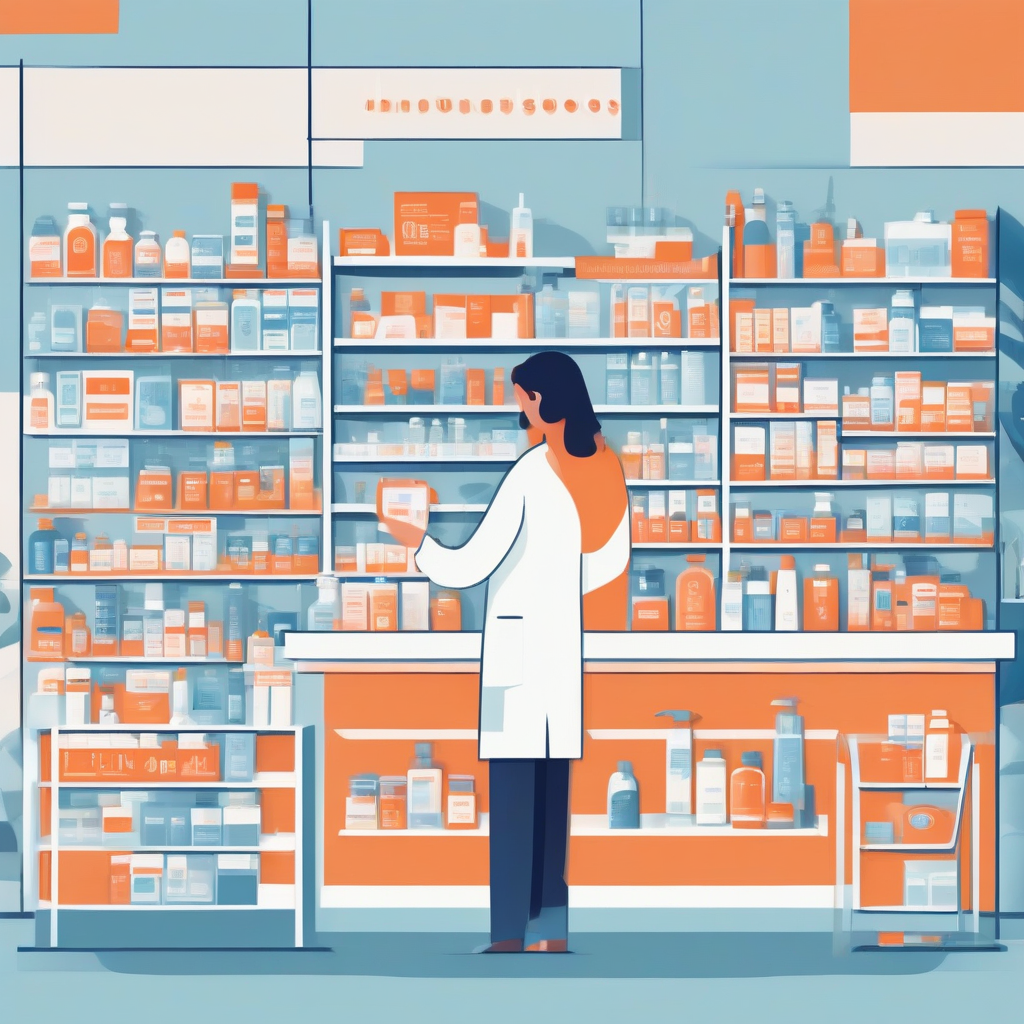
Recently, the pharmacy scene in our neighborhood is changing rapidly. This is because ‘warehouse-type pharmacies’, where people shop for medicines as if they were picking up items at a large supermarket by going from aisle to aisle with a cart, are popping up all over the city, shaking up the pharmacy streets. This phenomenon, which has increased explosively to over 40 locations in just one year, goes beyond a simple change in distribution methods and shows that the traditional value of ‘medicines should be purchased with expert medication guidance’ and the new trend of ‘consumers’ independent choice and price competitiveness’ are in direct conflict. Today, pharmacies are standing in front of a huge wave of improving constitution and strengthening expertise for survival, beyond being a simple dispensing space.
Warehouse-type pharmacies are a transplant of the foreign drugstore model to suit domestic circumstances. According to the Pharmaceutical Affairs Act, the regulation that a pharmacist can only open one pharmacy is still in effect, but the company is taking advantage of the fact that there are no restrictions on store area or number of items to expand its size. This model, in which a representative pharmacist employs a large number of working pharmacists, provides an environment in which consumers can freely compare and purchase everything from over-the-counter medicines to health food and pet medicine without being influenced by pharmacists. It is gaining word of mouth online as the ‘Costco of pharmacies’ and is quickly attracting the attention of young people and housewives with its price competitiveness and convenience of night-time operation.
But behind these changes lies a deep sense of crisis for existing neighborhood pharmacies. According to a survey conducted by the Korean Pharmaceutical Association among pharmacies near warehouse pharmacies, the majority of pharmacists regard the spread of these diseases as a serious threat. In particular, as sales of nutritional supplements and over-the-counter medicines, which are key to sales, have plummeted, an increasing number of small pharmacies are complaining of management difficulties, and there is great concern that structural limitations in selling medicines without detailed medication guidance may encourage drug misuse. In fact, when a case was discovered in a certain warehouse-type pharmacy where medicines that could be abused as raw materials for narcotics were displayed indiscriminately, the Pharmaceutical Association defined this as a direct challenge to public safety and took strong action.
Accordingly, the National Assembly and health authorities are also busy preparing response measures. There is a growing movement to put an institutional brake on the Pharmaceutical Affairs Act, with discussions on amendments to the Pharmaceutical Affairs Act banning the use of names that may distort the function of pharmacies or cause abuse. The purpose is to suppress the commercial image of large pharmacies by restricting names such as ‘warehouse’ or ‘mega’, but it is unclear whether a single bill can reverse the trend of large-scale pharmacies using market logic and consumer convenience as weapons. Pharmacist groups are predicting additional legislative struggles, such as blocking external capital intervention and strengthening the law prohibiting network pharmacies, so policy conflicts surrounding the pharmacy distribution structure are expected to intensify in the future.
The pharmacist community is trying to rediscover the essential value of ‘expertise’ amidst these external challenges. Many local pharmaceutical associations, including the Chungnam Pharmaceutical Association, emphasize strengthening clinical capabilities beyond simple dispensing and expanding their role in community integrated care services such as home-based pharmacy and polypharmacy management through academic festivals and training programs. In particular, the ‘Pharmacist Policy Highest Level Course’ established by the Seoul Pharmaceutical Association is an attempt to increase policy response by developing future-oriented capabilities such as digital healthcare, introduction of AI technology, and management strategies. This can be interpreted as a strong will to solidify pharmacists' position as experts who comprehensively manage patients' health, going beyond simply selling medicine in the changing healthcare environment.
Meanwhile, the ‘close service’ model that provides practical help to patients based on expertise is also attracting attention in pharmacies. The ‘Visiting Drug Management Project’ being implemented in Yeongam-gun is playing a significant role as a community health safety net by having pharmacists visit the homes of elderly people with limited mobility or chronic diseases to organize the medications they are taking and check for duplicate prescriptions. In addition, the activities of pharmacists who build trust by actively communicating with the public, such as recommending fruits that are good for pancreas health (plums, pineapple, kiwi, etc.) through media such as YouTube, are also noticeable. In this way, the pharmacy ecosystem is diversifying as warehouse-type pharmacies that emphasize technical efficiency and specialty pharmacy models that emphasize human interaction coexist.
■ Conclusion and analysis outlook
In conclusion, the emergence of warehouse-type pharmacies signals a huge change in our healthcare field. Consumer choice and price competitiveness are unavoidable trends of the times, but the value of the specificity and safety of pharmaceuticals is an area that can never be compromised. The pharmacist community must go beyond simple commercial responses, strengthen policy expertise, and further solidify its identity as an irreplaceable ‘health manager’ within the community. Pharmacies of the future will either coexist with convenient shopping spaces and in-depth medication consultations, or will be a process of finding a new balance by creating differentiated values in each field.
* This post is an analysis column that is automatically recreated in the style of a current affairs critic's commentary by analyzing real-time Google Trends popular search terms and related major articles.
댓글목록 0
등록된 댓글이 없습니다.